AMOS 300 Expeditionary Mobility Manufacturing Experiment
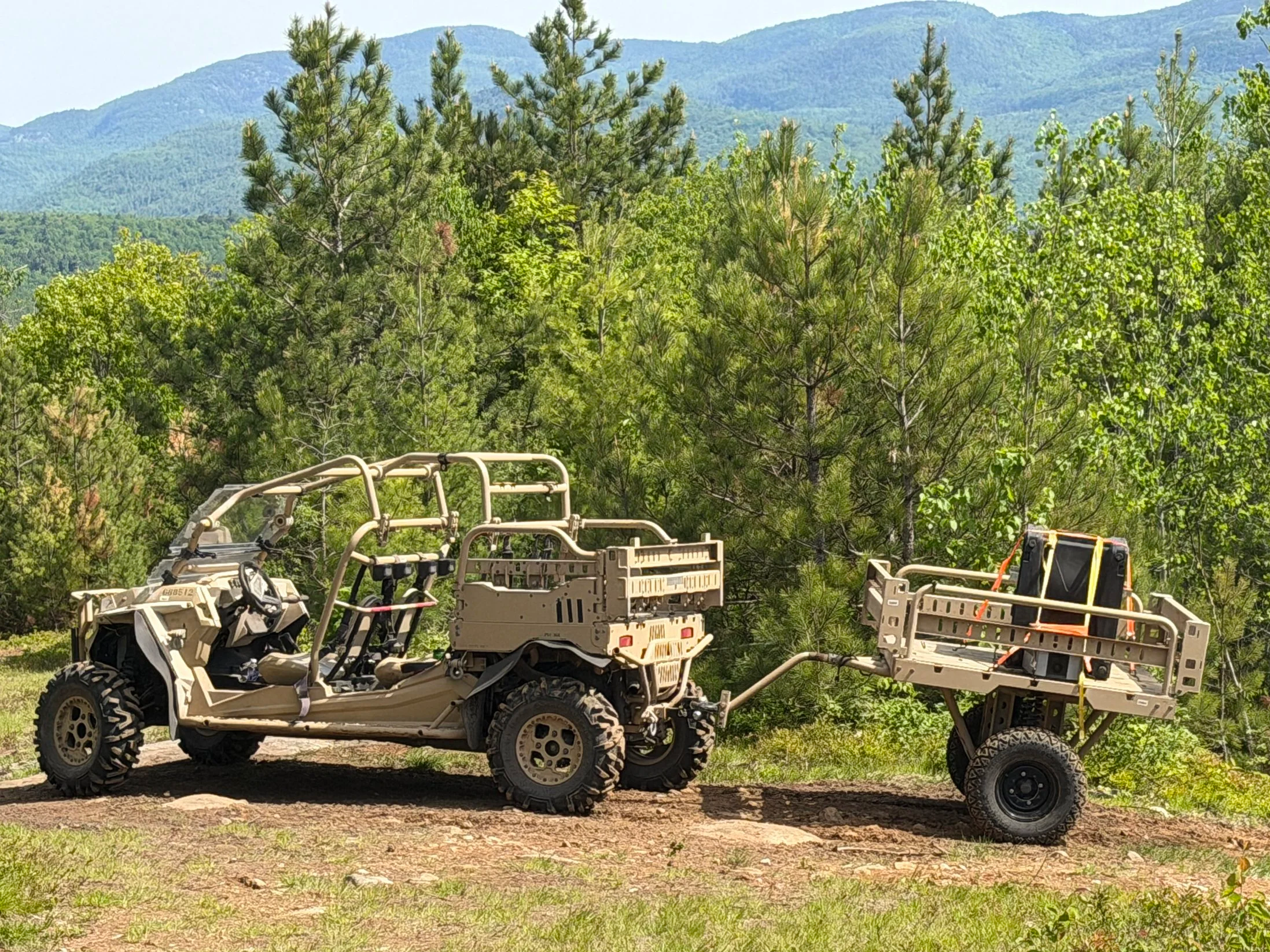
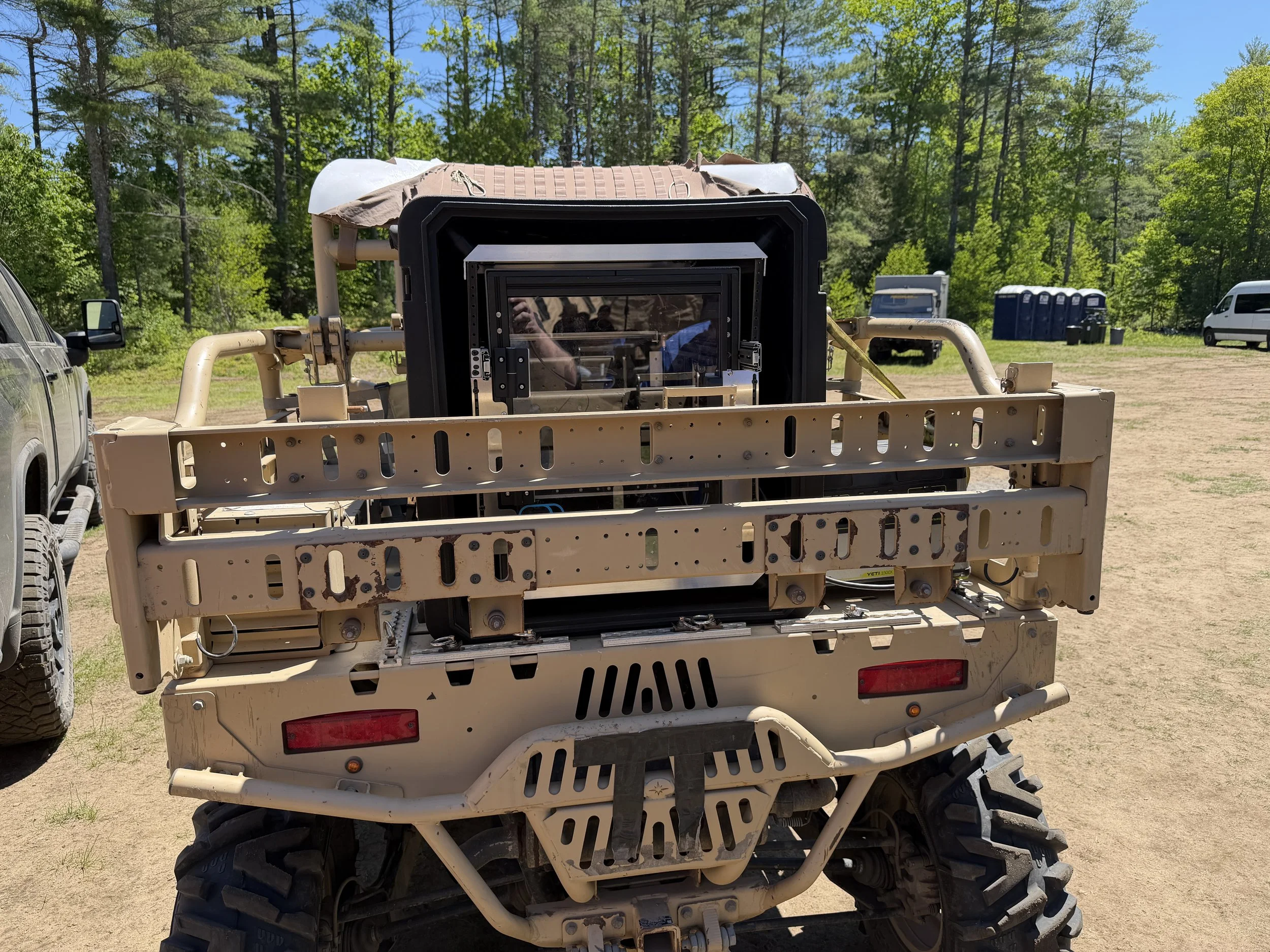
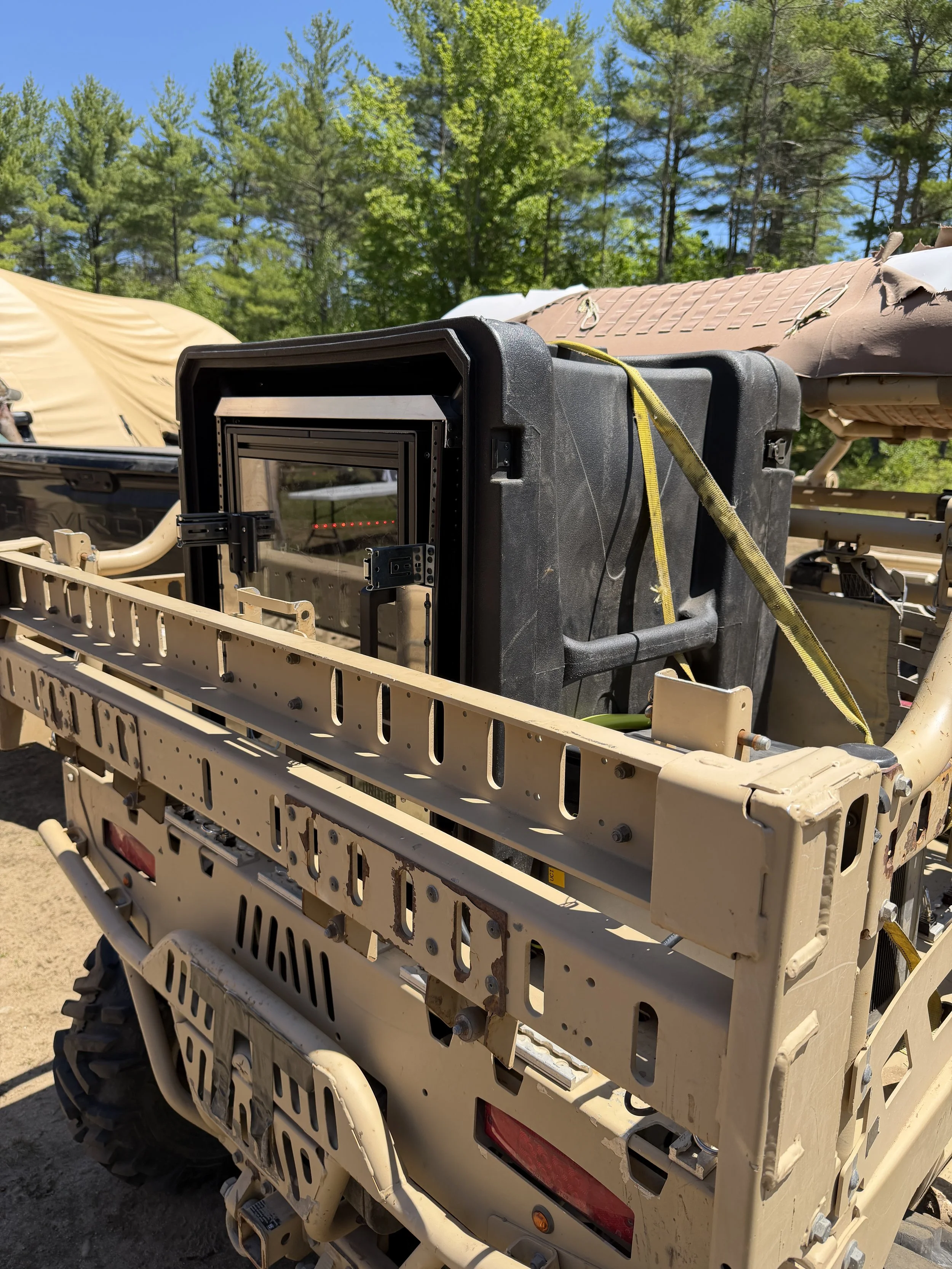
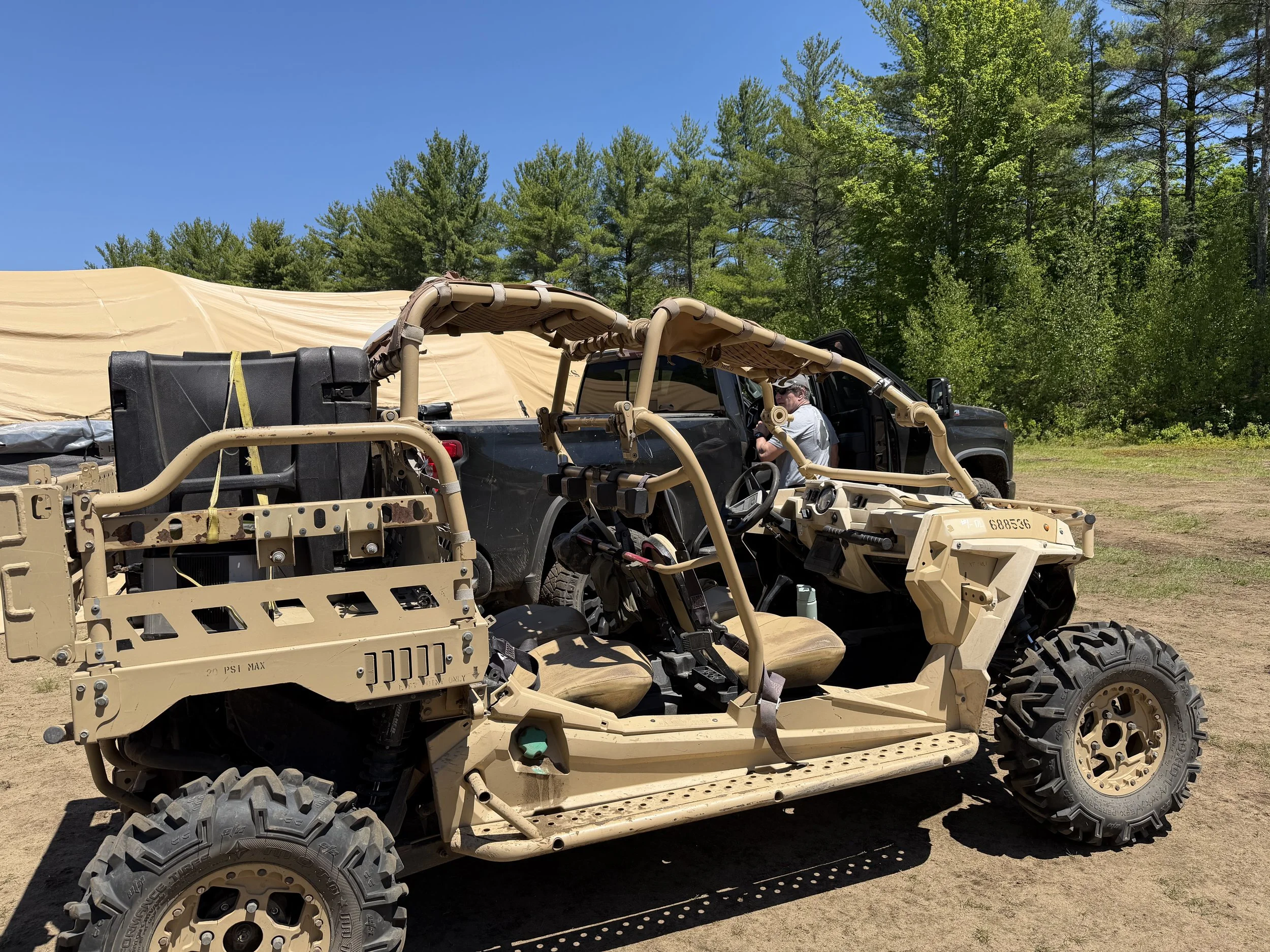
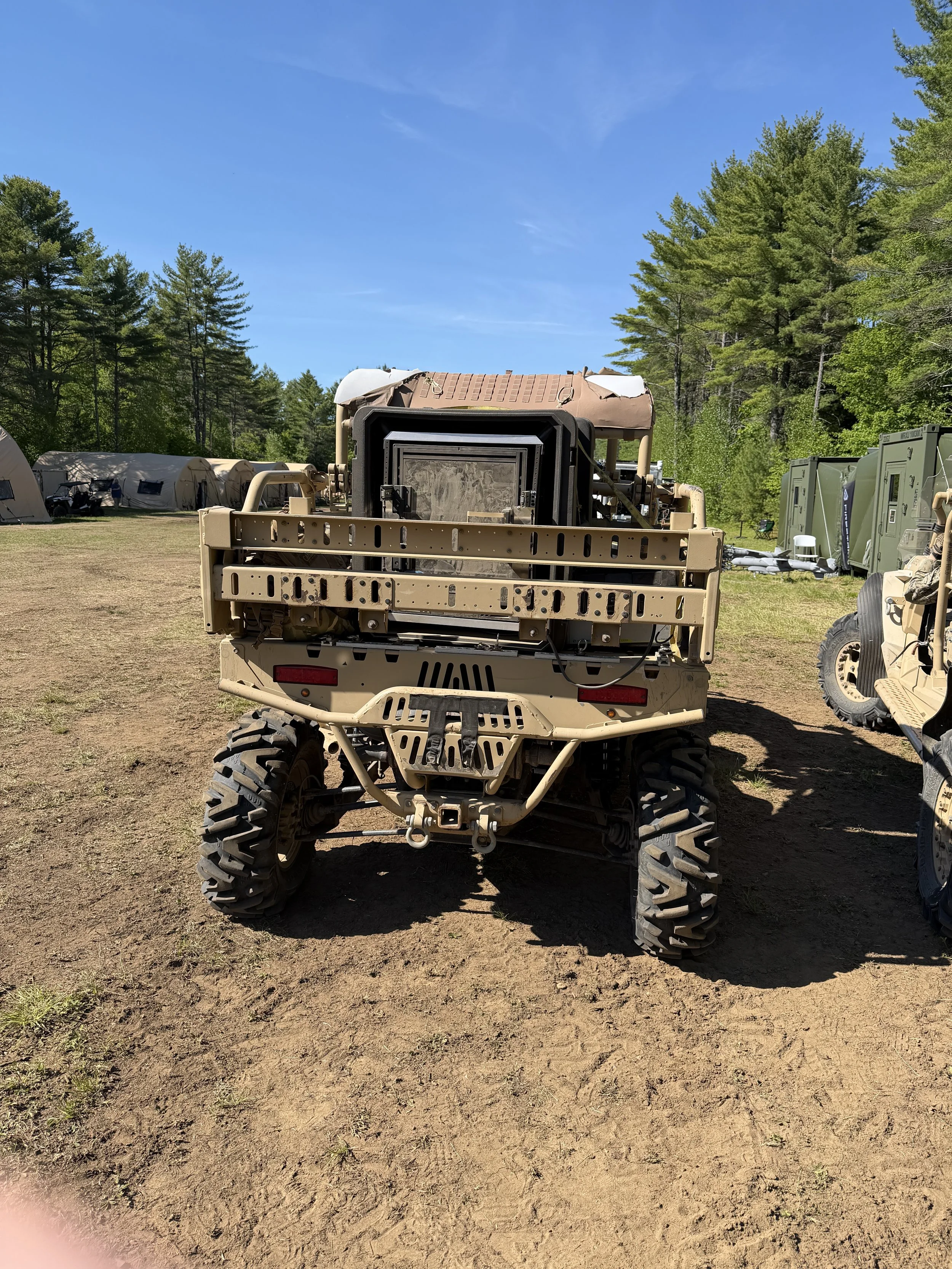
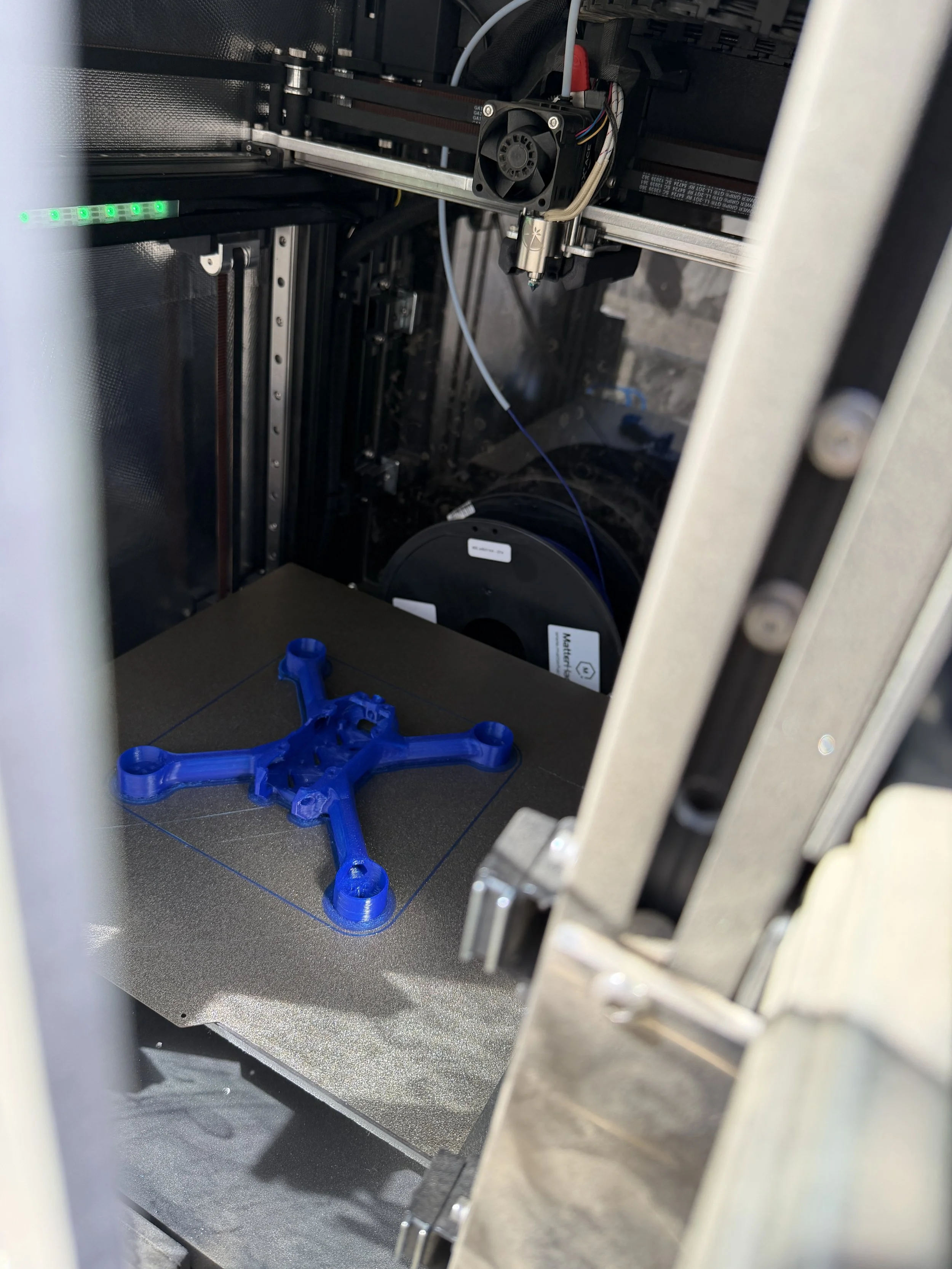
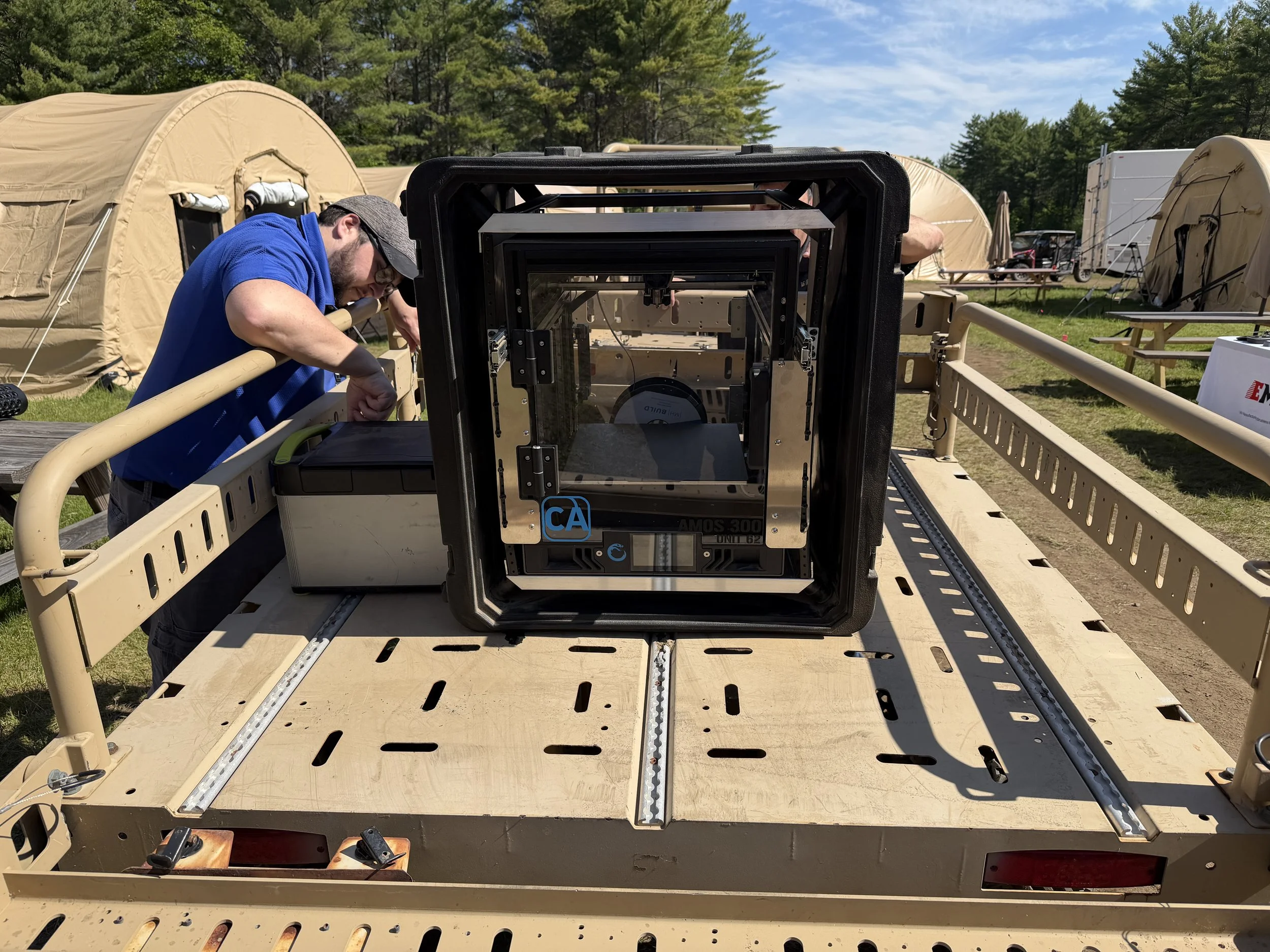
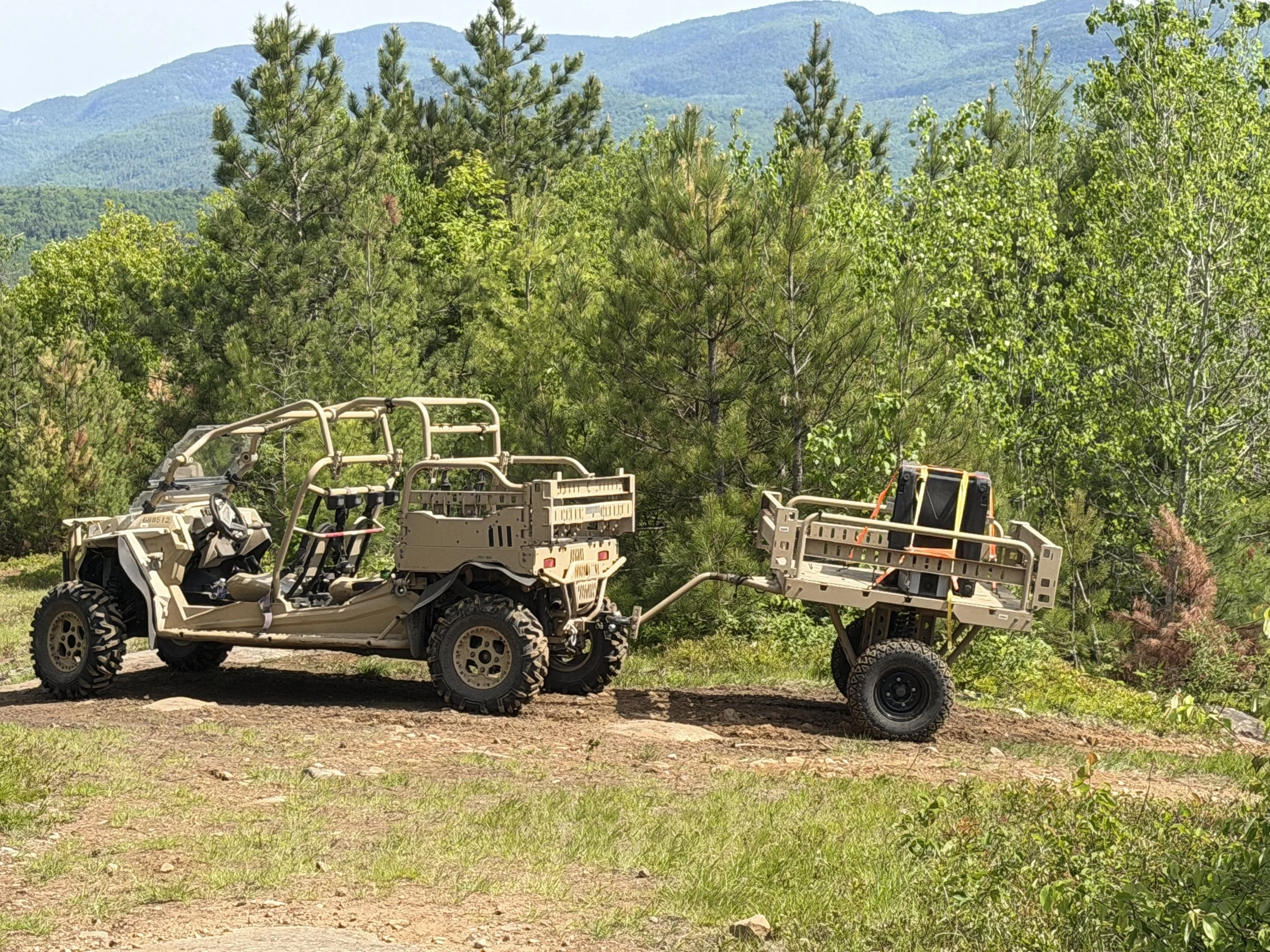
An AMOS 300 Expeditionary Unit mounted in a MRZR at the top of the mountain printing drone parts.
Executive Summary
The AMOS 300 Expeditionary is a ruggedized, deployable additive manufacturing system designed to produce mission-critical components at the point of need. During the Drone Wars exercise at the Adirondack Battle Lab, the system was evaluated for its ability to manufacture operational drone components while mounted in vehicles traversing mountainous terrain.
The objective of this experiment was to determine whether additive manufacturing can remain operational while continuously moving through increasingly demanding off-road environments. Specifically, the experiment focused on producing drone airframes during vehicle movement to simulate forward manufacturing in expeditionary and contested environments.
The experiment successfully demonstrated the ability to manufacture drone frames while traversing mountainous terrain in multiple vehicle configurations, including a pickup truck, an MRZR, and an MRZR towing a trailer. This confirms that mobile additive manufacturing is feasible and can enhance operational flexibility by reducing reliance on centralized production and lengthy logistics chains.
Operational Problem
Modern military operations increasingly depend on small unmanned aircraft systems (UAS) for reconnaissance, strike missions, and force protection. These systems experience high attrition rates and require a continuous supply of replacement airframes and components.
Current manufacturing solutions capable of producing replacement parts in the field are often large, complex, and require significant setup and teardown time. As a result, they remain tied to fixed locations and are vulnerable to detection and targeting.
Operational units require a manufacturing capability that can remain mobile, rapidly relocate, and continue production while maneuvering through challenging terrain.
Proposed Solution
The AMOS 300 Expeditionary provides a portable manufacturing capability with the ability to produce operational components at the point of need.
System Characteristics
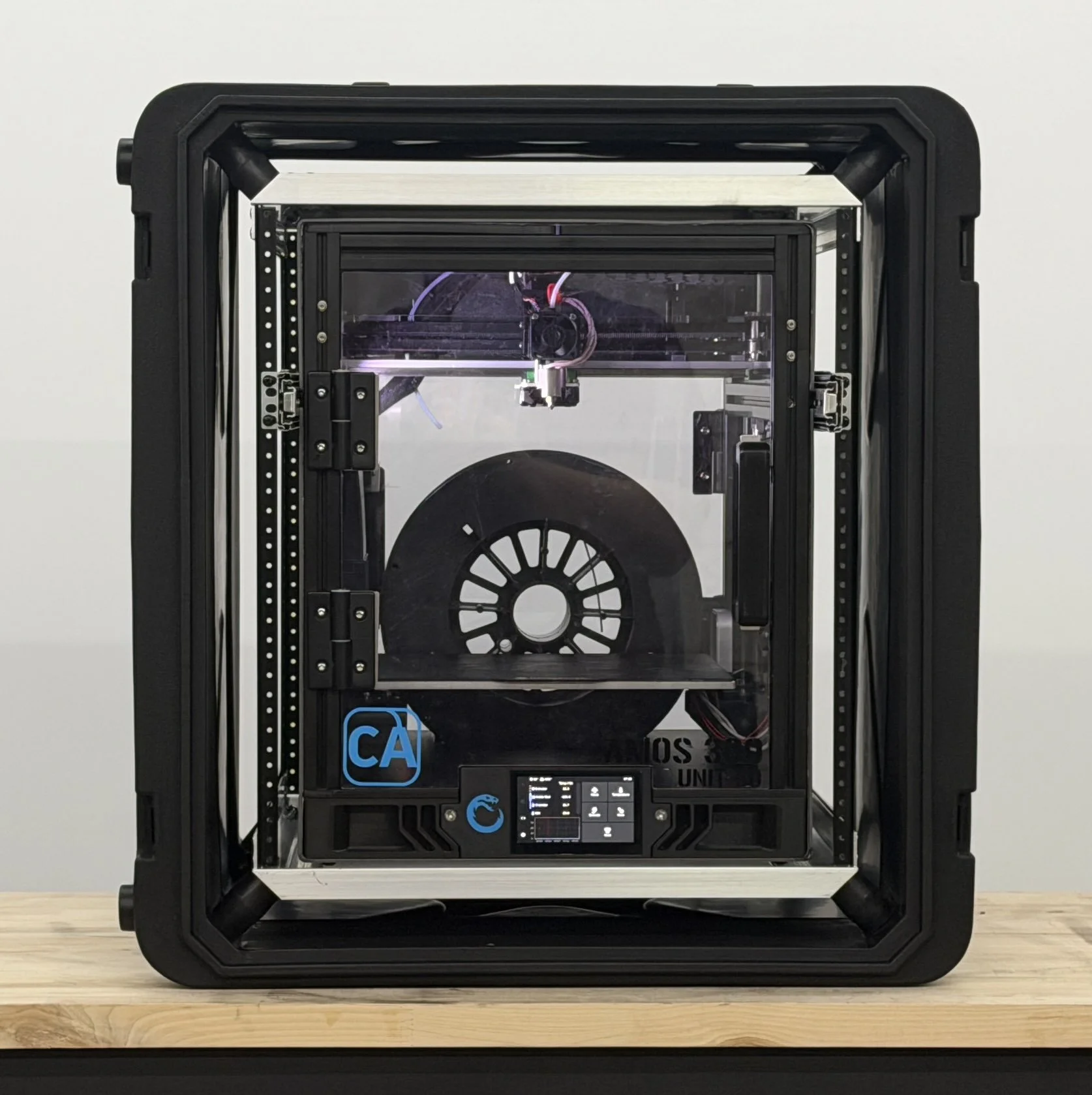
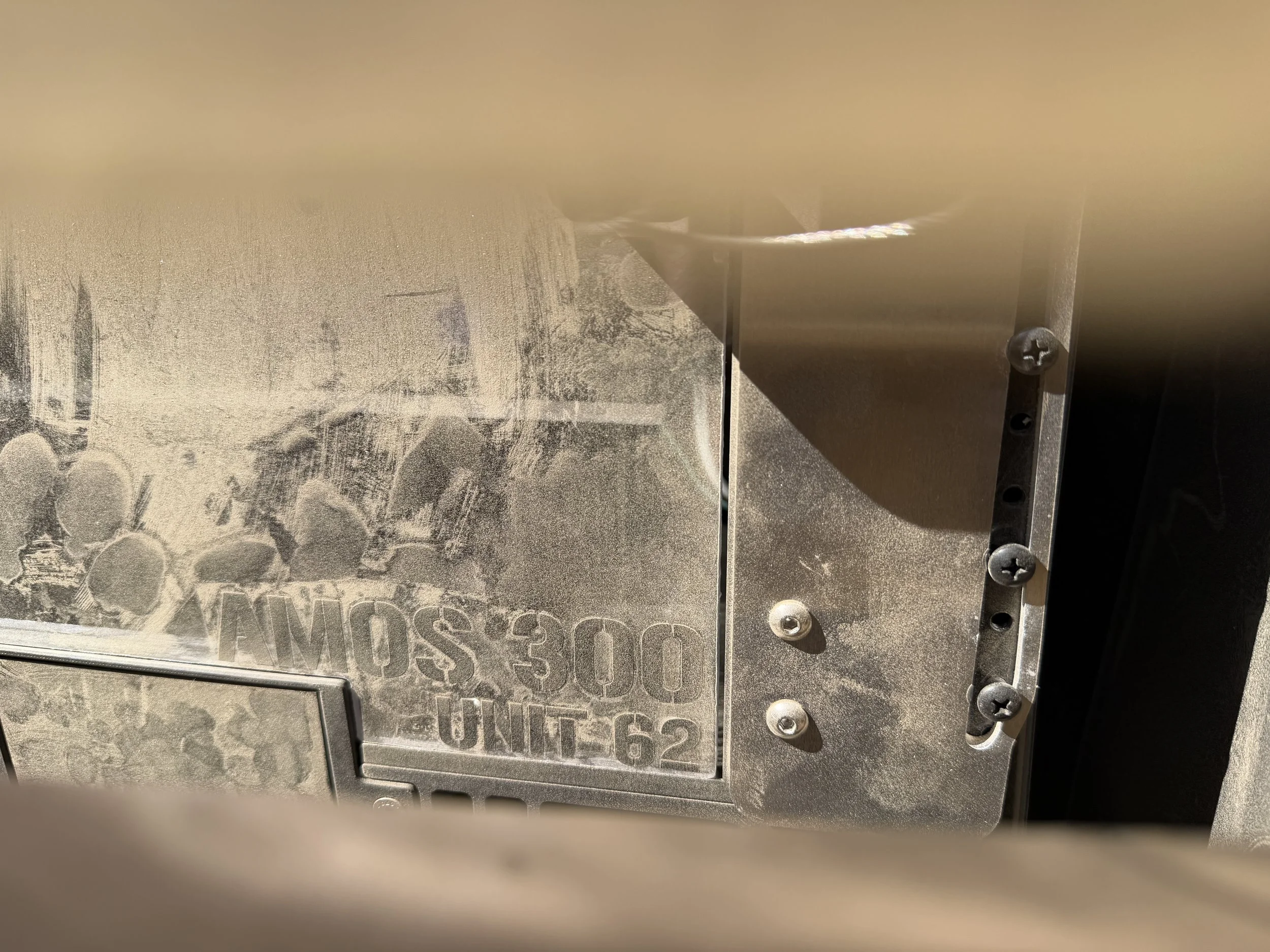
AMOS 300 Expeditionary
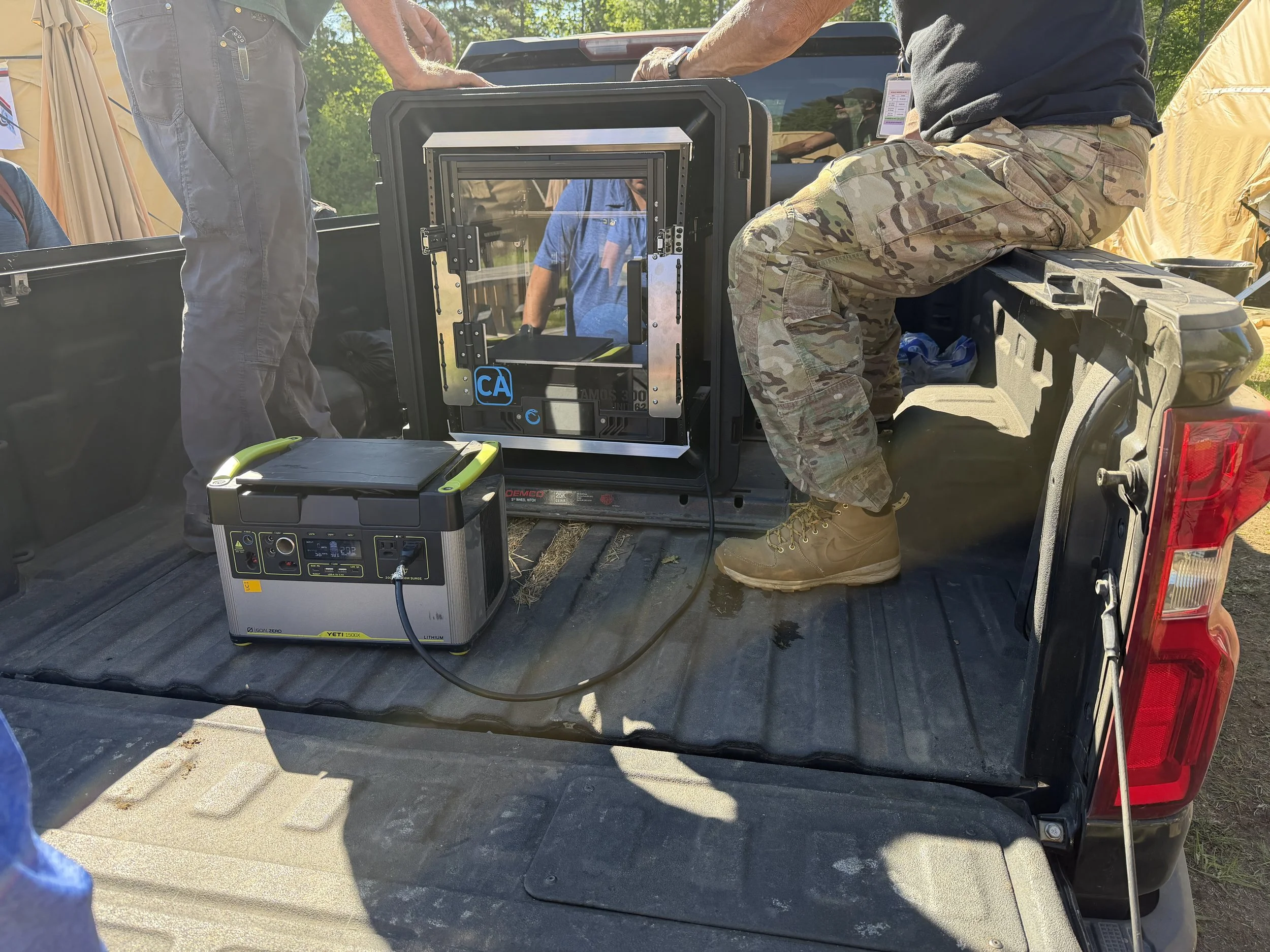
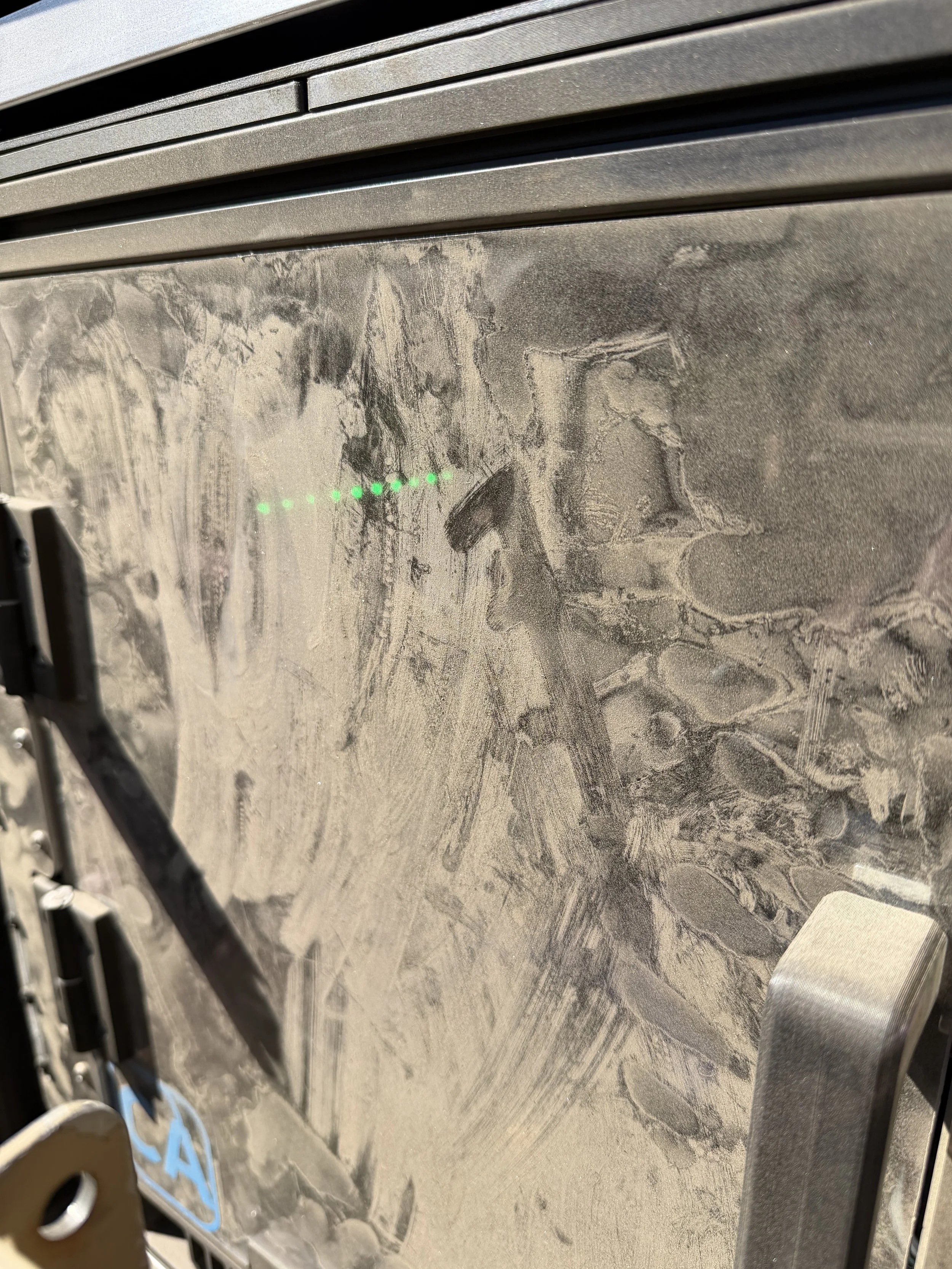
A standard AMOS 300 secured in a dampened, ruggedized server rack.
System: AMOS 300 Expeditionary
Weight: 120 lbs
Footprint: 30 x 30 x 30 in
Power Requirements: 120 VAC, 8 A peak
Materials Supported:
PLA
ASA
ABS
Polycarbonate
Nylon
Carbon-fiber reinforced polymers
Glass-fiber reinforced polymers
Additional high-temperature materials are required when utilizing the chamber heater
Performance:
Print speeds up to 500 mm/s
Drone airframes are produced in 16–45 minutes, depending on design
The system utilizes commercially available components to simplify maintenance and reduce logistical burden while maintaining the capability to manufacture engineering-grade thermoplastic components in austere environments.
Experiment Objectives
Objective 1
Determine whether the AMOS 300 Expeditionary can maintain print quality while operating over rough terrain.
Objective 2
Determine whether the system can successfully manufacture operational drone components while in motion.
Objective 3
Measure setup-to-production time for expeditionary deployment.
Objective 4
Assess operator workload and operational burden during sustained manufacturing operations.
Data Collection Plan
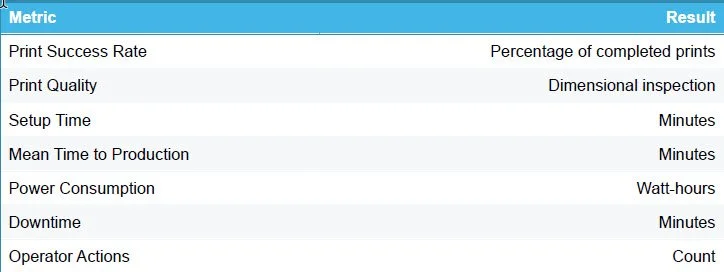
Success Criteria
The experiment was considered successful if the following conditions were met:
Greater than 95% print success rate
Less than 10-minute deployment and setup time
Continuous production while vehicles were in motion
Production of operationally relevant drone components
Military Relevance
This experiment directly supports several Department of Defense operational concepts, including:
Expeditionary Advanced Base Operations (EABO)
Distributed Maritime Operations (DMO)
Contested Logistics
Tactical UAS Operations
Sustainment and Maintenance Operations
Rapid Capability Development
The ability to manufacture mission-critical components while maneuvering significantly reduces dependence on centralized production facilities and vulnerable supply chains. Mobile manufacturing enables forces to maintain operational tempo while reducing logistical requirements.
Resources Utilized
Power Source
YETI 1500X Portable Power Station
Vehicles
Half-ton pickup truck
MRZR
MRZR with trailer
Test Location
Adirondack Mountains
Exercise Site
ADK Battle Lab
Results
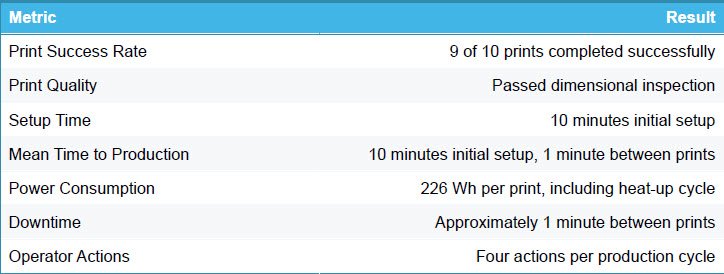
Print Failure Analysis
The single print failure was not caused by vibration, vehicle movement, or terrain conditions. Failure occurred due to a tangled filament spool, representing a consumable handling issue rather than a system performance limitation.
Performance Assessment
The AMOS 300 Expeditionary successfully produced drone airframes while traversing mountainous terrain. Initial testing was conducted using a half-ton pickup truck. Following the successful completion of those trials, the experiment progressed to increasingly demanding platforms.
The system maintained operational capability while mounted in an MRZR operating over rough terrain. To further identify operational limits, testing was expanded to an MRZR towing a trailer, representing the most severe vibration environment available during the exercise, confirming the system's operational feasibility in demanding conditions.
In all vehicle configurations, the system continued producing functional drone airframes, demonstrating its capability to support highly mobile expeditionary operations in contested environments.
Lessons Learned
A cable pass-through should be incorporated into the Expeditionary enclosure design to allow both case doors to remain closed while maintaining power and accessory connections.
A material constraining method needs to be developed and implemented to ensure that material handling will not become a failure point in the field.
Additional testing should evaluate performance across a wider range of environmental conditions, including temperature extremes, precipitation, and extended-duration operations.
Transition Opportunities
While drone production served as the focus of this experiment, the broader operational value lies in producing replacement parts, equipment repairs, protective covers, storage solutions, and other mission-essential components at the point of need.
As military organizations continue pursuing distributed and expeditionary operations, mobile manufacturing capabilities such as the AMOS 300 Expeditionary can reduce logistical burden, increase operational flexibility, and improve force resilience in contested environments.
