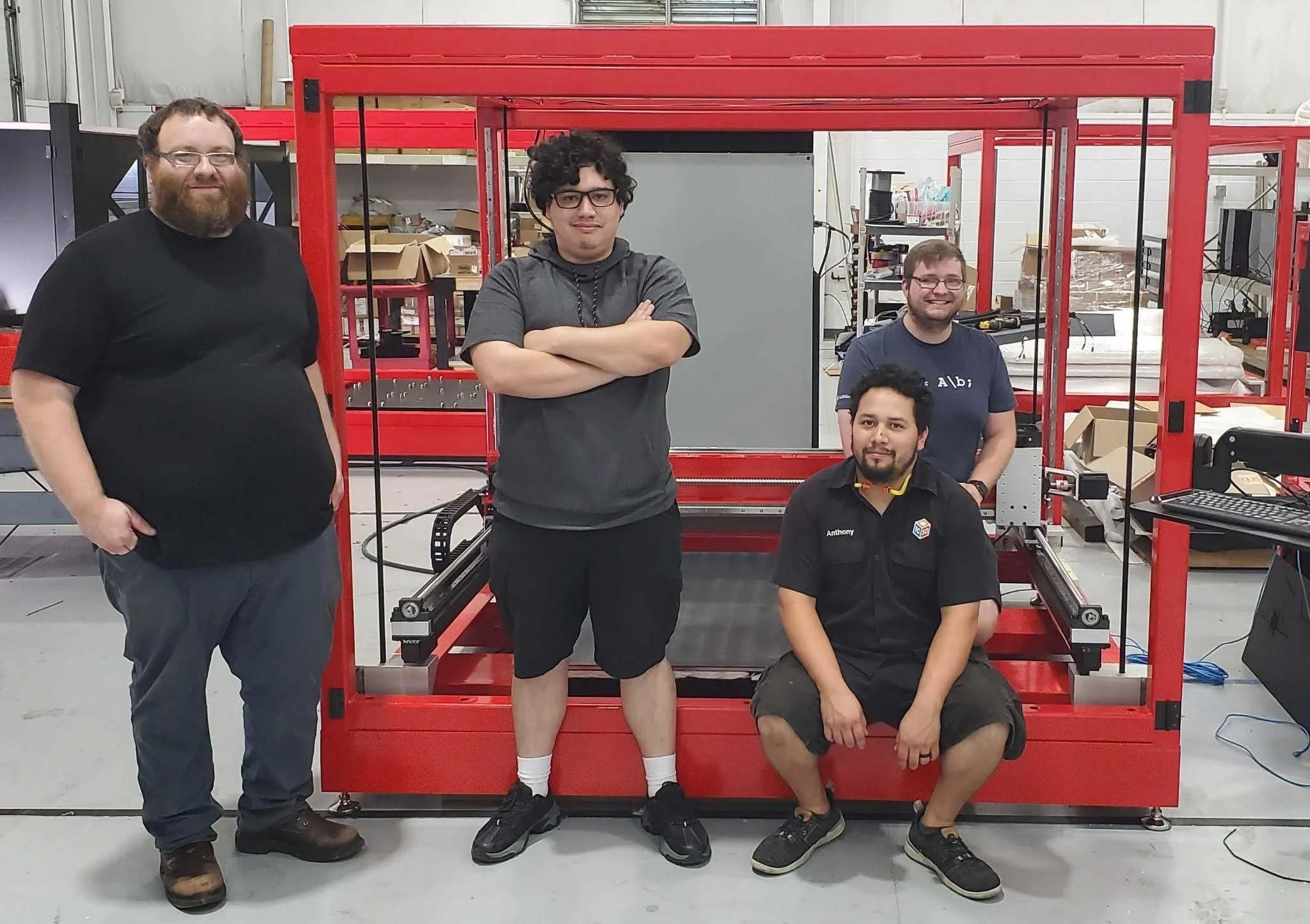
AMOS 300 Expeditionary Mobility Manufacturing Experiment
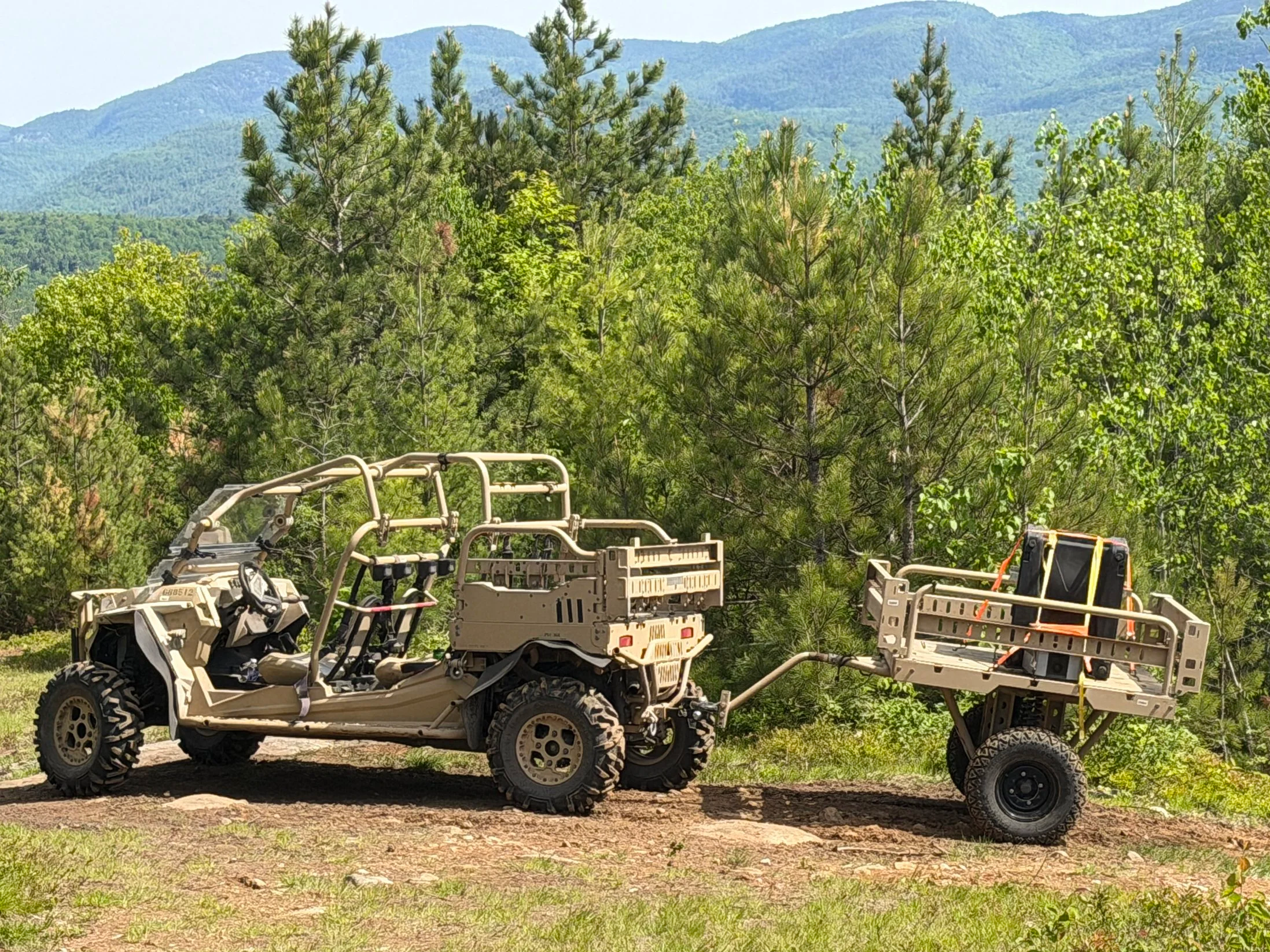
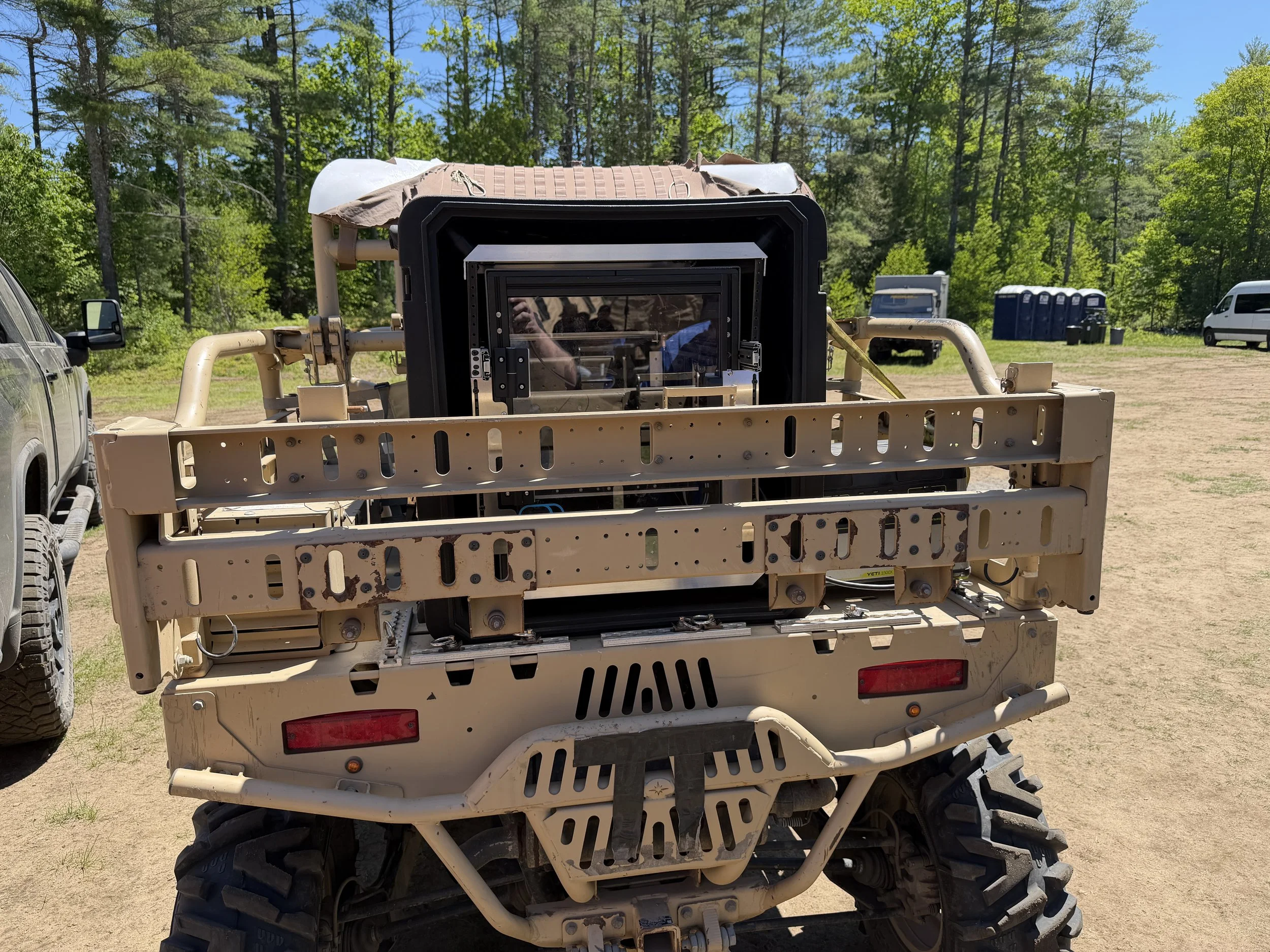
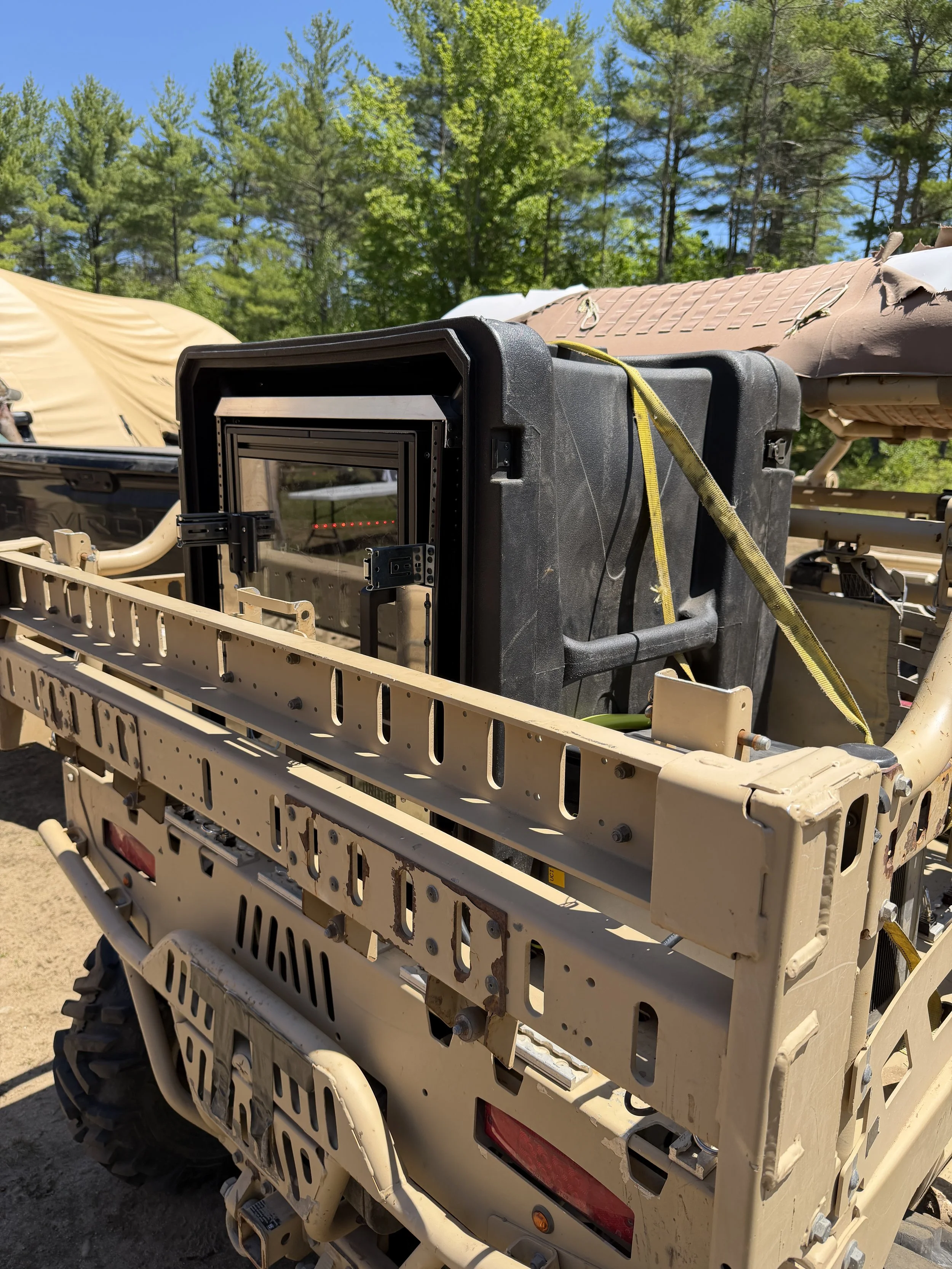
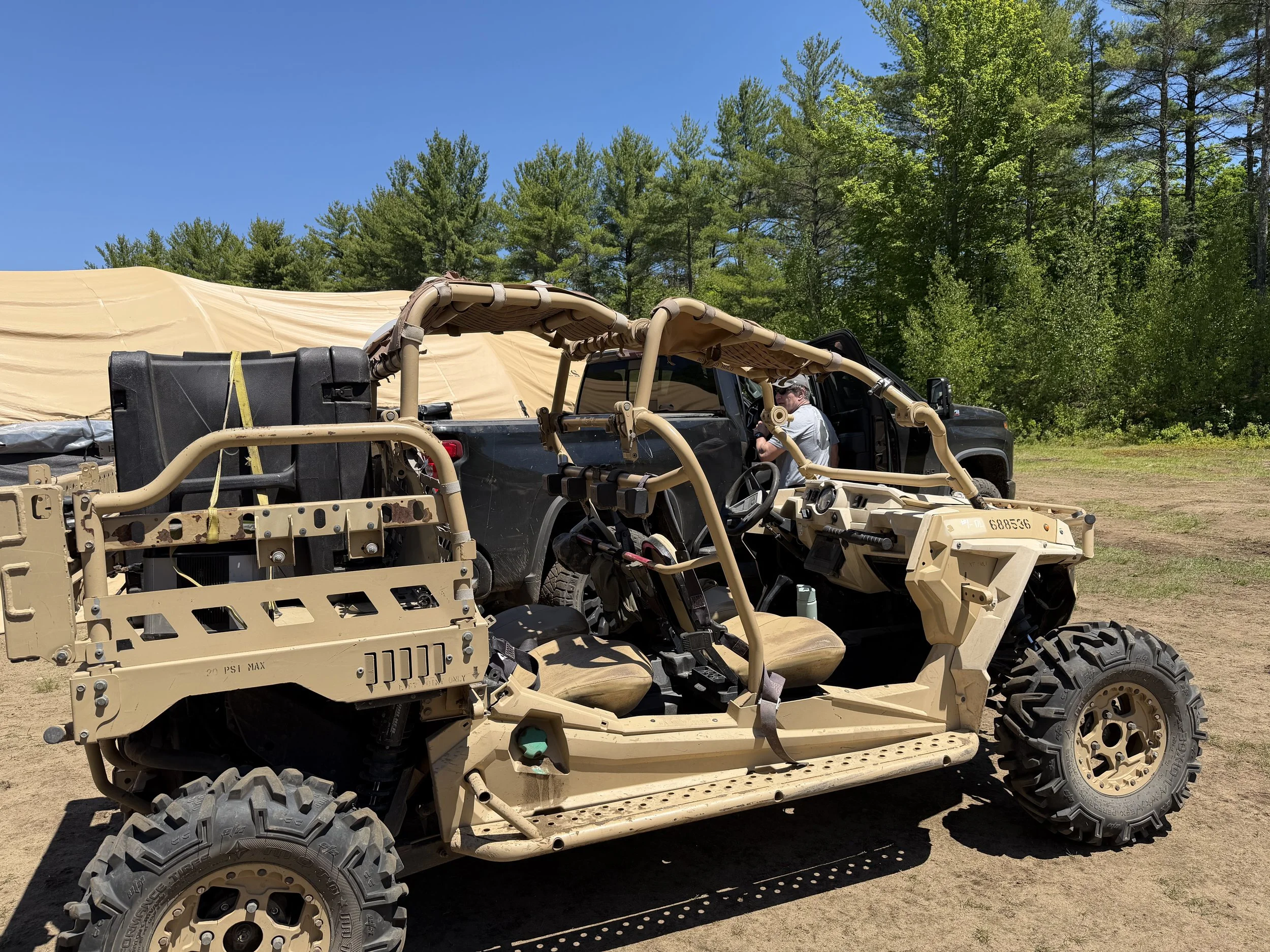
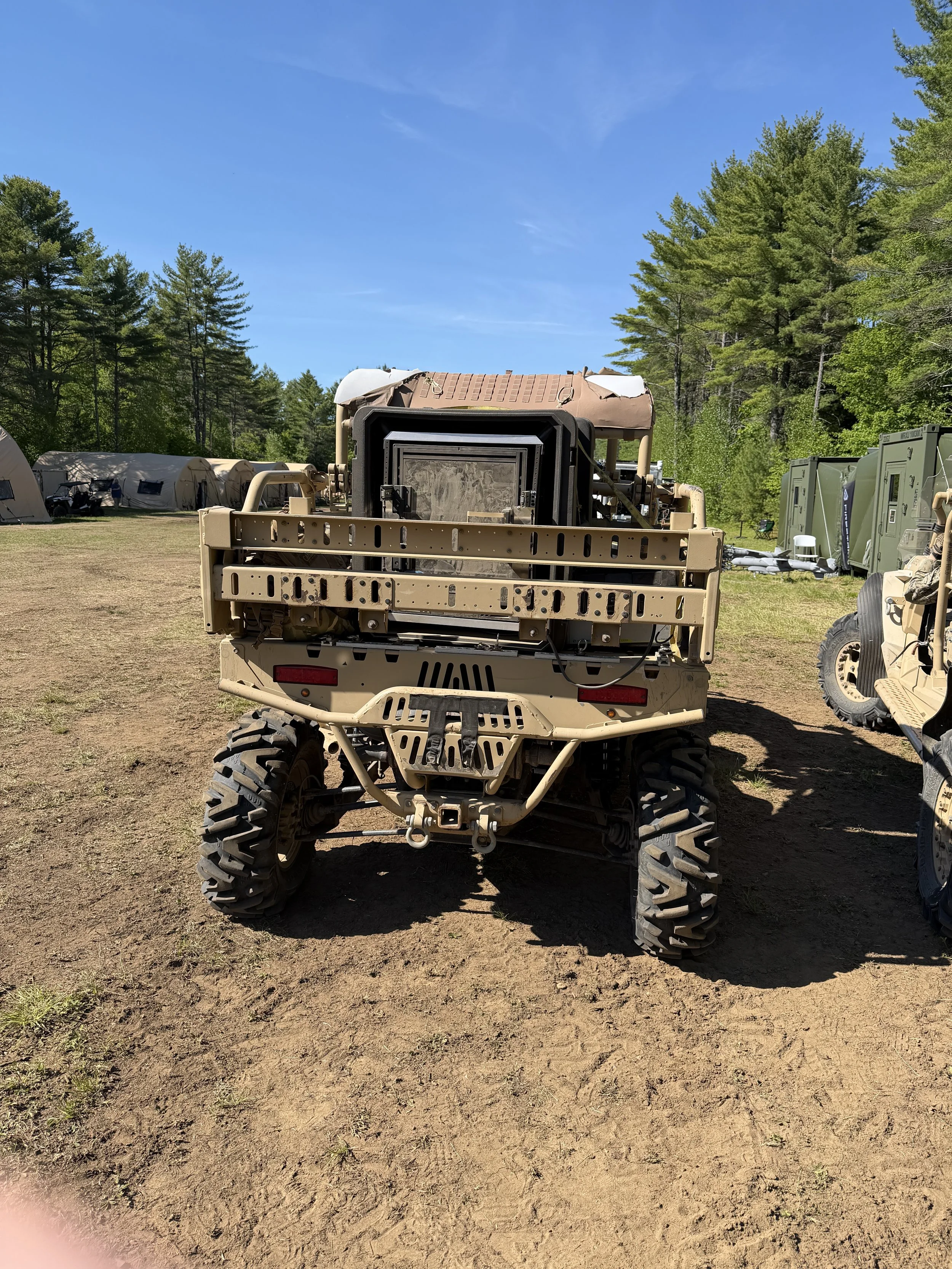
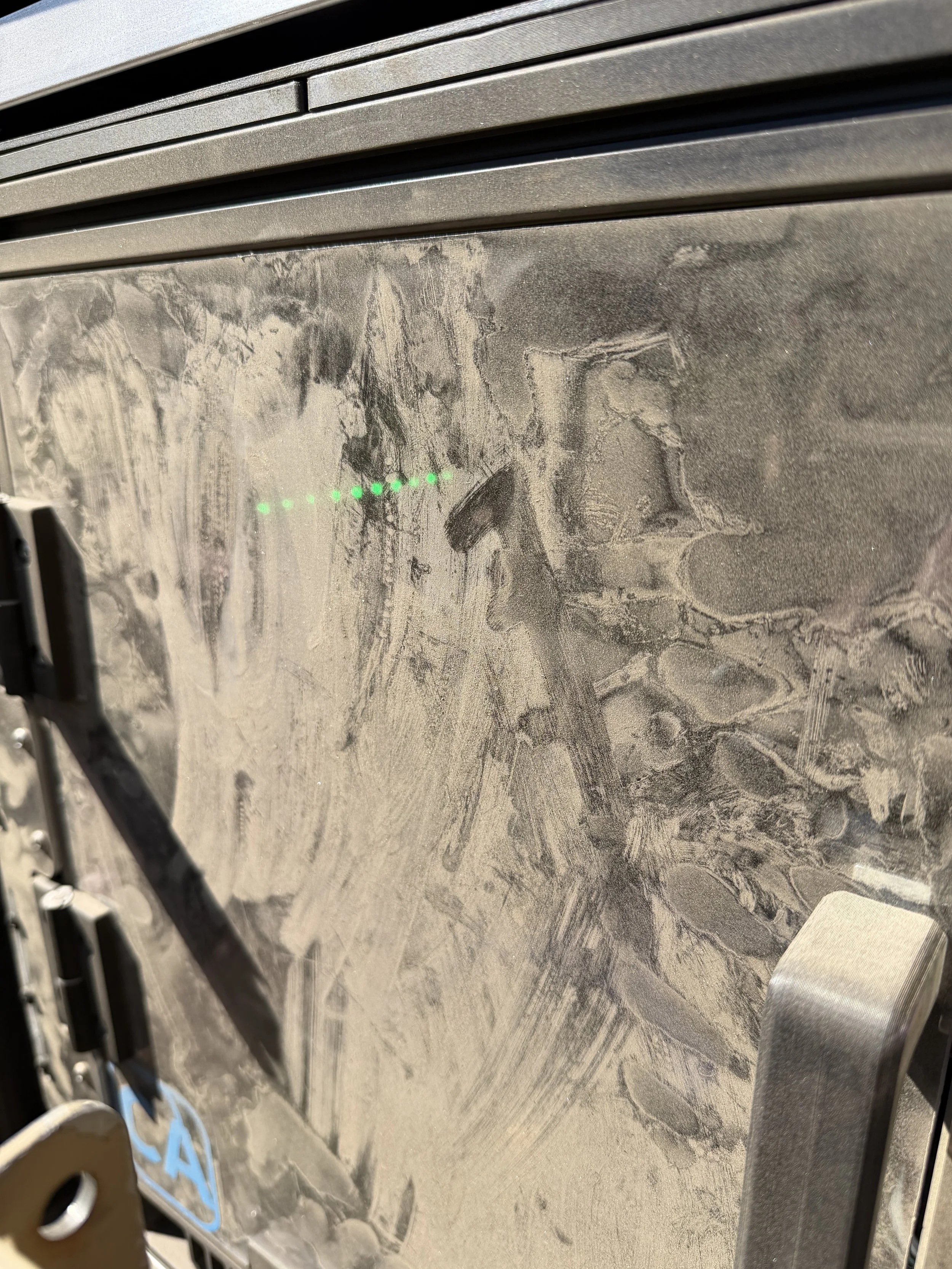
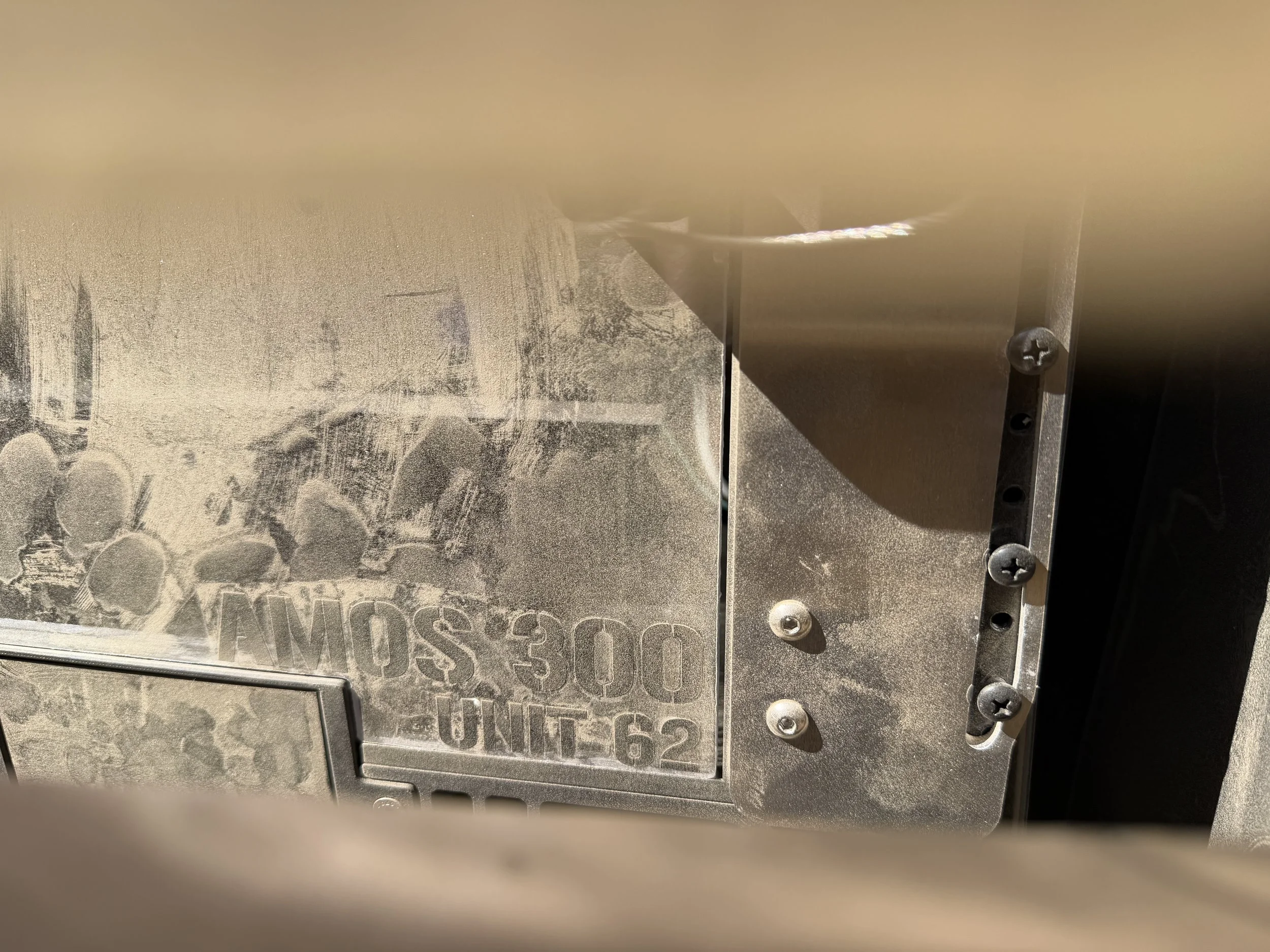
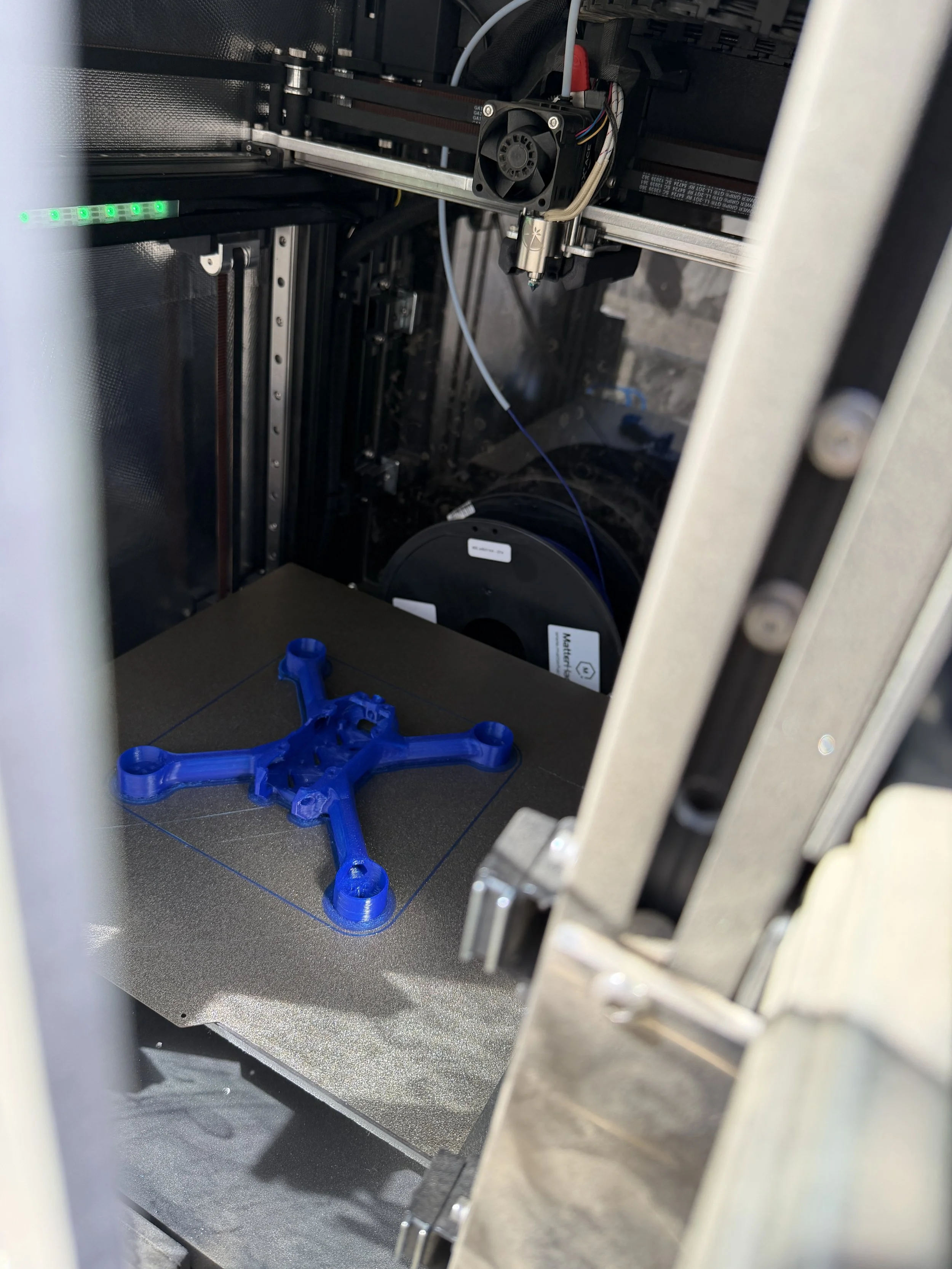
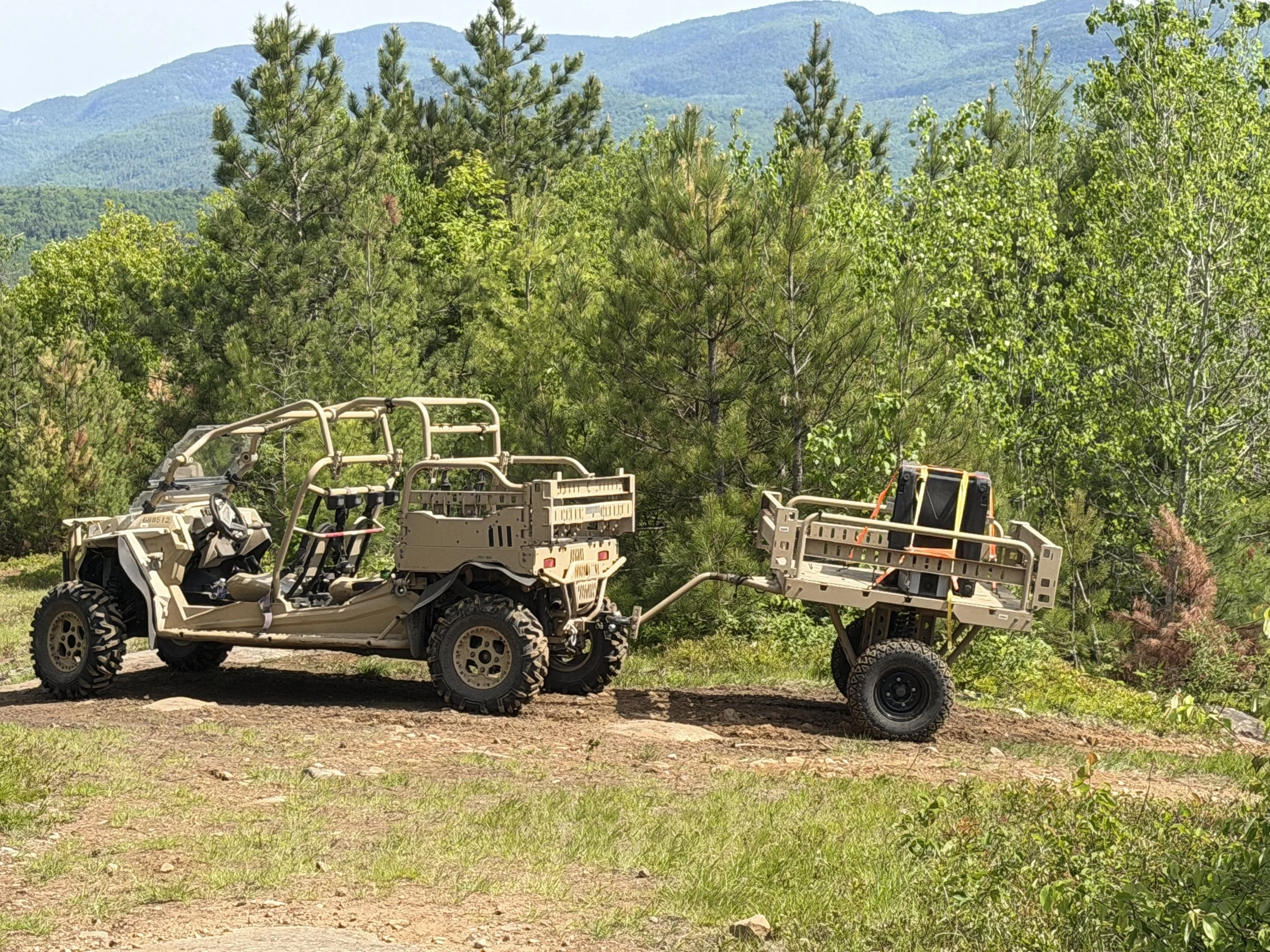
An AMOS 300 Expeditionary Unit mounted in a MRZR at the top of the mountain printing drone parts.
Executive Summary
The AMOS 300 Expeditionary is a ruggedized, deployable additive manufacturing system designed to produce mission-critical components at the point of need. During the Drone Wars exercise at the Adirondack Battle Lab, the system was evaluated for its ability to manufacture operational drone components while mounted in vehicles traversing mountainous terrain.
The objective of this experiment was to determine whether additive manufacturing can remain operational while continuously moving through increasingly demanding off-road environments. Specifically, the experiment focused on producing drone airframes during vehicle movement to simulate forward manufacturing in expeditionary and contested environments.
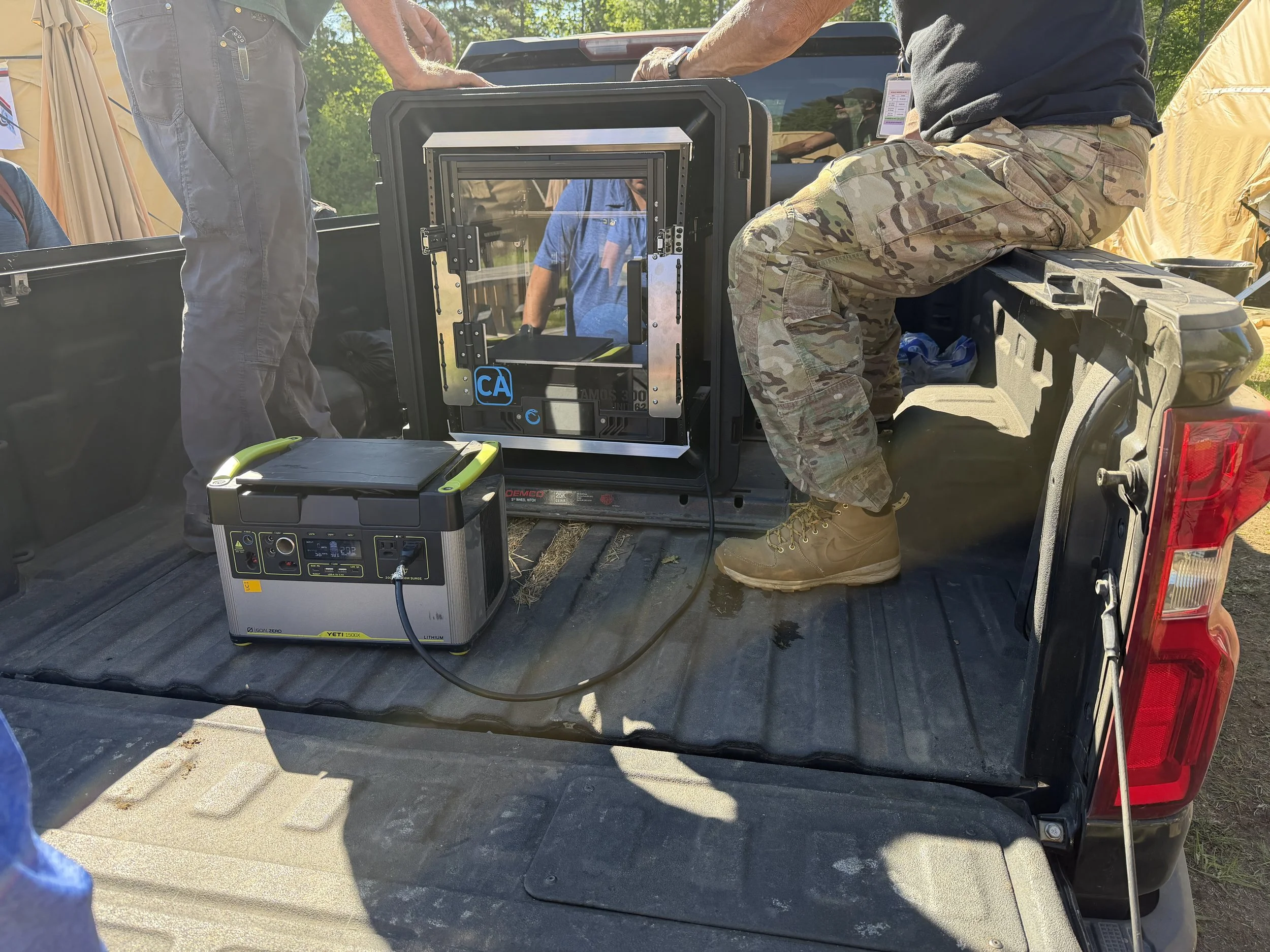
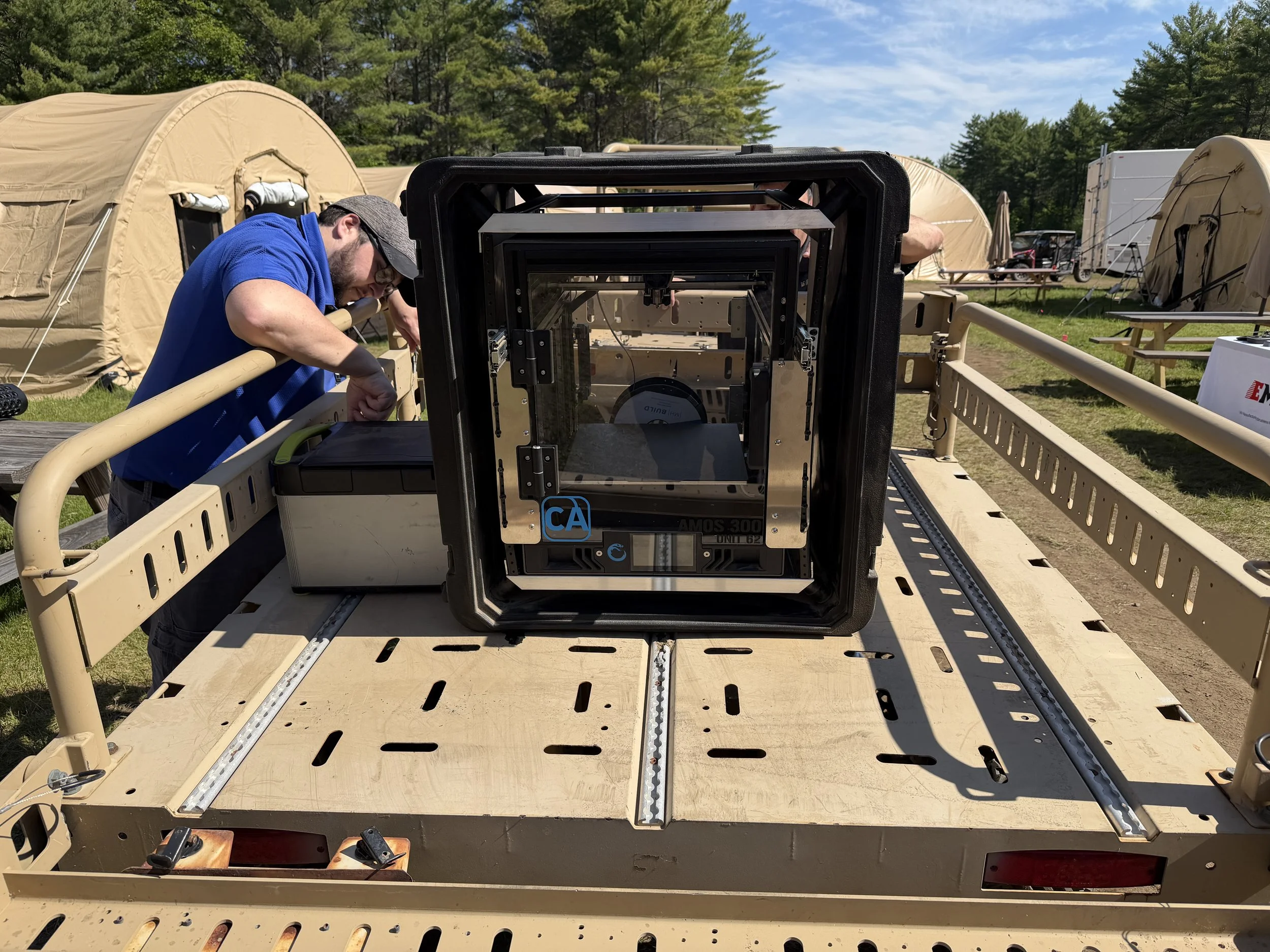
The experiment successfully demonstrated the ability to manufacture drone frames while traversing mountainous terrain in multiple vehicle configurations, including a pickup truck, an MRZR, and an MRZR towing a trailer. This confirms that mobile additive manufacturing is feasible and can enhance operational flexibility by reducing reliance on centralized production and lengthy logistics chains.
Operational Problem
Modern military operations increasingly depend on small unmanned aircraft systems (UAS) for reconnaissance, strike missions, and force protection. These systems experience high attrition rates and require a continuous supply of replacement airframes and components.
Current manufacturing solutions capable of producing replacement parts in the field are often large, complex, and require significant setup and teardown time. As a result, they remain tied to fixed locations and are vulnerable to detection and targeting.
Operational units require a manufacturing capability that can remain mobile, rapidly relocate, and continue production while maneuvering through challenging terrain.
Proposed Solution
The AMOS 300 Expeditionary provides a portable manufacturing capability with the ability to produce operational components at the point of need.
System Characteristics
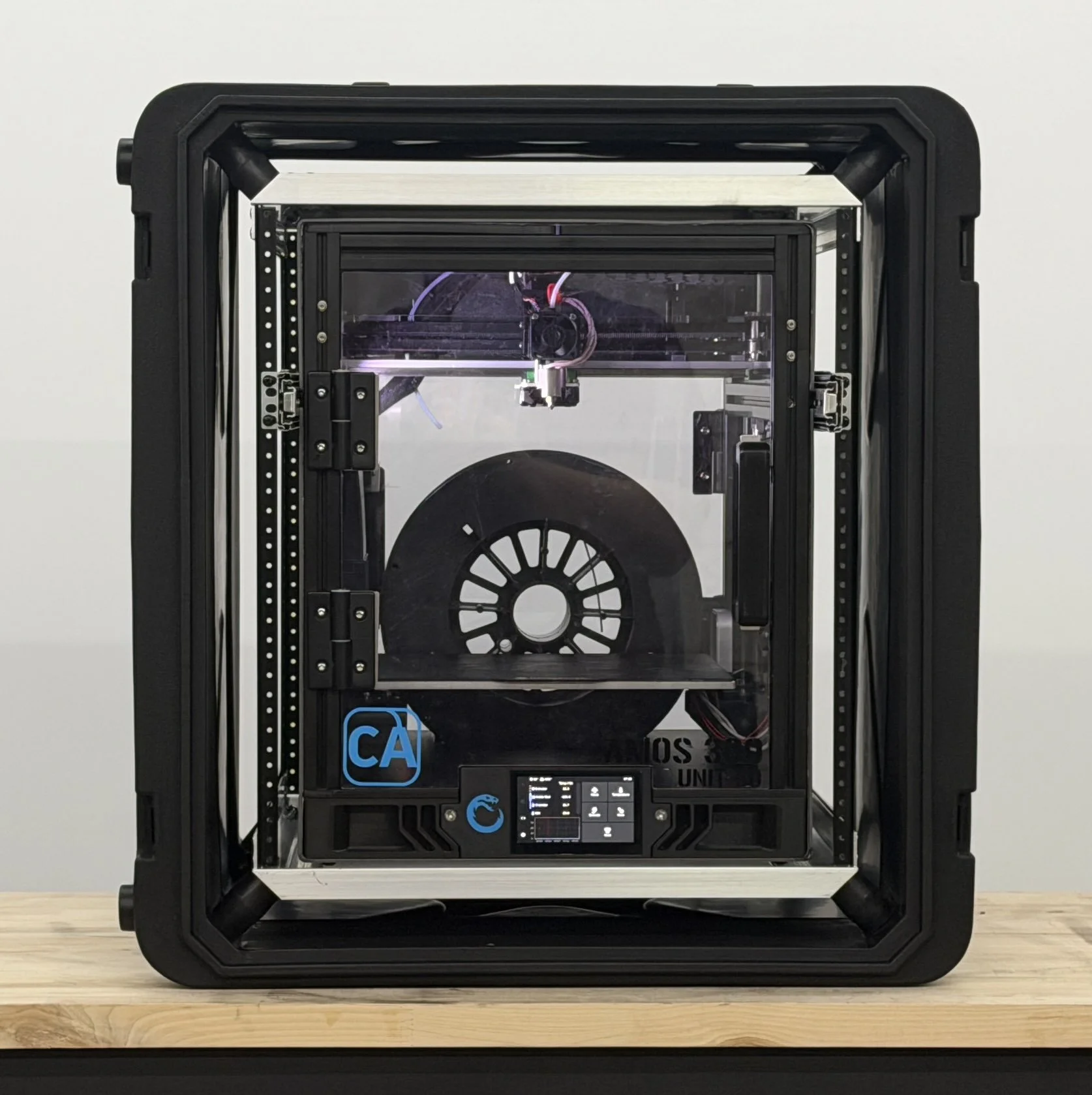
AMOS 300 Expeditionary
A standard AMOS 300 secured in a dampened, ruggedized server rack.
System: AMOS 300 Expeditionary
Weight: 120 lbs
Footprint: 30 x 30 x 30 in
Power Requirements: 120 VAC, 8 A peak
Materials Supported:
PLA
ASA
ABS
Polycarbonate
Nylon
Carbon-fiber reinforced polymers
Glass-fiber reinforced polymers
Additional high-temperature materials are required when utilizing the chamber heater
Performance:
Print speeds up to 500 mm/s
Drone airframes are produced in 16–45 minutes, depending on design
The system utilizes commercially available components to simplify maintenance and reduce logistical burden while maintaining the capability to manufacture engineering-grade thermoplastic components in austere environments.
Experiment Objectives
Objective 1
Determine whether the AMOS 300 Expeditionary can maintain print quality while operating over rough terrain.
Objective 2
Determine whether the system can successfully manufacture operational drone components while in motion.
Objective 3
Measure setup-to-production time for expeditionary deployment.
Objective 4
Assess operator workload and operational burden during sustained manufacturing operations.
Data Collection Plan
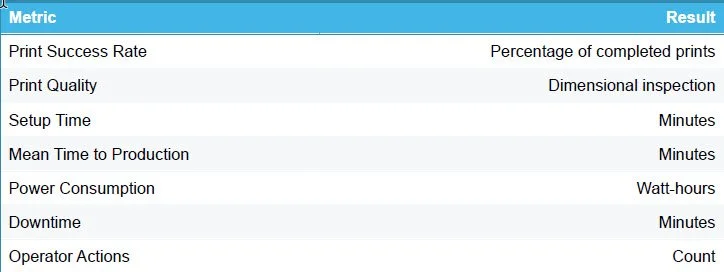
Success Criteria
The experiment was considered successful if the following conditions were met:
Greater than 95% print success rate
Less than 10-minute deployment and setup time
Continuous production while vehicles were in motion
Production of operationally relevant drone components
Military Relevance
This experiment directly supports several Department of Defense operational concepts, including:
Expeditionary Advanced Base Operations (EABO)
Distributed Maritime Operations (DMO)
Contested Logistics
Tactical UAS Operations
Sustainment and Maintenance Operations
Rapid Capability Development
The ability to manufacture mission-critical components while maneuvering significantly reduces dependence on centralized production facilities and vulnerable supply chains. Mobile manufacturing enables forces to maintain operational tempo while reducing logistical requirements.
Resources Utilized
Power Source
YETI 1500X Portable Power Station
Vehicles
Half-ton pickup truck
MRZR
MRZR with trailer
Test Location
Adirondack Mountains
Exercise Site
ADK Battle Lab
Results
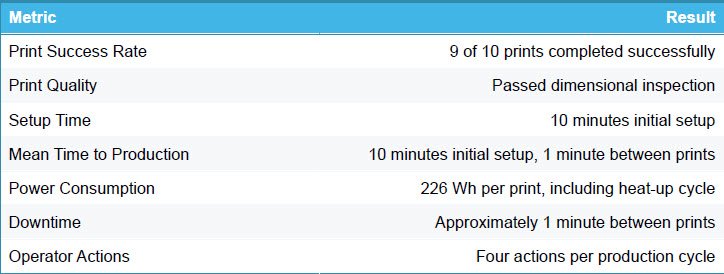
Print Failure Analysis
The single print failure was not caused by vibration, vehicle movement, or terrain conditions. Failure occurred due to a tangled filament spool, representing a consumable handling issue rather than a system performance limitation.
Performance Assessment
The AMOS 300 Expeditionary successfully produced drone airframes while traversing mountainous terrain. Initial testing was conducted using a half-ton pickup truck. Following the successful completion of those trials, the experiment progressed to increasingly demanding platforms.
The system maintained operational capability while mounted in an MRZR operating over rough terrain. To further identify operational limits, testing was expanded to an MRZR towing a trailer, representing the most severe vibration environment available during the exercise, confirming the system's operational feasibility in demanding conditions.
In all vehicle configurations, the system continued producing functional drone airframes, demonstrating its capability to support highly mobile expeditionary operations in contested environments.
Lessons Learned
A cable pass-through should be incorporated into the Expeditionary enclosure design to allow both case doors to remain closed while maintaining power and accessory connections.
A material constraining method needs to be developed and implemented to ensure that material handling will not become a failure point in the field.
Additional testing should evaluate performance across a wider range of environmental conditions, including temperature extremes, precipitation, and extended-duration operations.
Transition Opportunities
While drone production served as the focus of this experiment, the broader operational value lies in producing replacement parts, equipment repairs, protective covers, storage solutions, and other mission-essential components at the point of need.
As military organizations continue pursuing distributed and expeditionary operations, mobile manufacturing capabilities such as the AMOS 300 Expeditionary can reduce logistical burden, increase operational flexibility, and improve force resilience in contested environments.
Chicago Additive Update – AMOS Product Line & Company News
It’s time for an update on the AMOS product line and everything happening behind the scenes at Chicago Additive. While it’s taken longer than expected to roll out updates, we’re excited to share that moving forward, we’ll be providing:
Monthly Deep Dive Updates – first week of each month
Progress Updates – third week of each month
This ensures consistent communication and transparency as we continue building momentum.
📑 Documentation
We’re making AMOS support resources easier to access:
Documentation and guides are moving to a public Wiki (no password required).
This Wiki will serve as a living document, updated continuously.
Offline documentation will be available upon request as a binder or printable PDF.
A change log will track updates, with quarterly summaries for clarity.
⚙️ Production Updates
AMOS 300 – In full production and shipping now, available in both 1.75mm and 2.85mm filament versions. Accessories, cases, and upgrades are now listed on chicagoadd.com.
AMOS 500 – Production underway, with shipping set to begin September 1st.
AMOS 200 – In final pre-production stages, with shipments expected in October.
🧪 Testing & Development
Chamber heaters – in final software tuning; all AMOS units are hardware-ready for plug-and-play upgrades.
Profile tuning in progress for multiple materials in Cura and PrusaSlicer:
ABS GF
ABS CF
PA12 CF
PPS CF
Lightweight ASA
Lightweight PLA
🏛 Company Update
We’re proud to announce that Chicago Additive has officially joined America Makes, the nation’s leading public-private partnership for additive manufacturing. This aligns us with a powerful network advancing U.S. competitiveness in AM technology.
📅 Upcoming Events
Our team will be attending the following:
🚀 Thank you to everyone supporting the AMOS line and Chicago Additive. We’re looking forward to keeping you updated with more frequent and detailed progress moving forward.
AMOS Press Release
Chicago Additive Secures Navy Co-Exclusive License for Key Additive Manufacturing Patent, Launches AMOS Line of 3D Printers
May 19, 2025 – Chicago Additive is proud to announce that it has been granted a Co-Exclusive License for U.S. Patent Application 18/926770, titled “Advanced Manufacturing Operational Apparatus, System, and Method.” This milestone underscores our commitment to driving innovation in the additive manufacturing space.
In partnership with inventor Spencer Koroly and his team at the Naval Information Warfare Center Pacific (NIWC Pacific)—a federal research laboratory operated by the U.S. Navy in San Diego—Chicago Additive has played a key role in the development, testing, and production of pre-release units of the AMOS 3D printer line. This collaboration enabled the establishment of a dedicated production facility, featuring streamlined manufacturing processes and a purpose-built assembly line specifically for the AMOS printers.
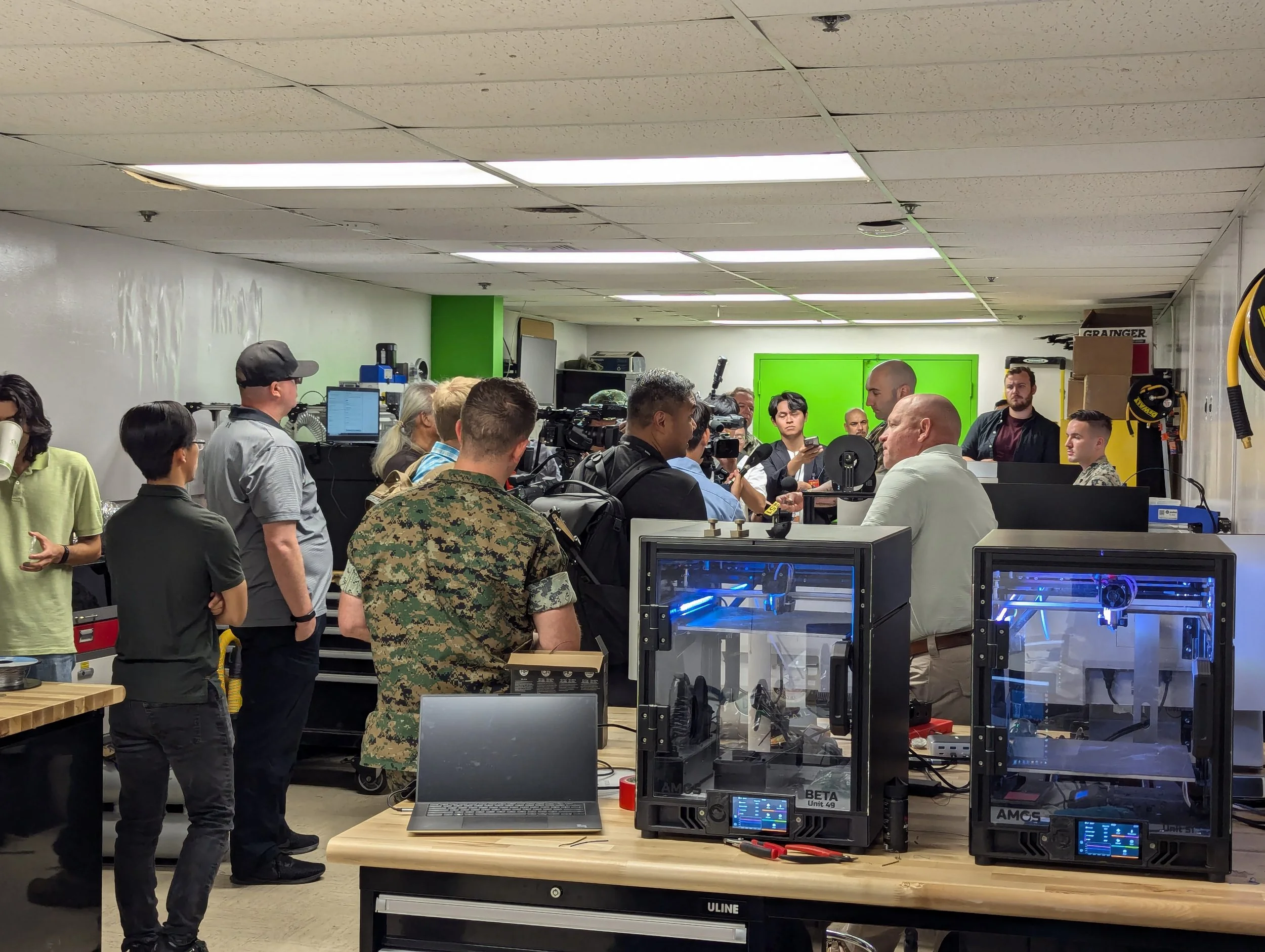
Chicago Additive built AMOS units deployed during the Navy’s RIMPAC exercise. Provide by NIWC Pacific
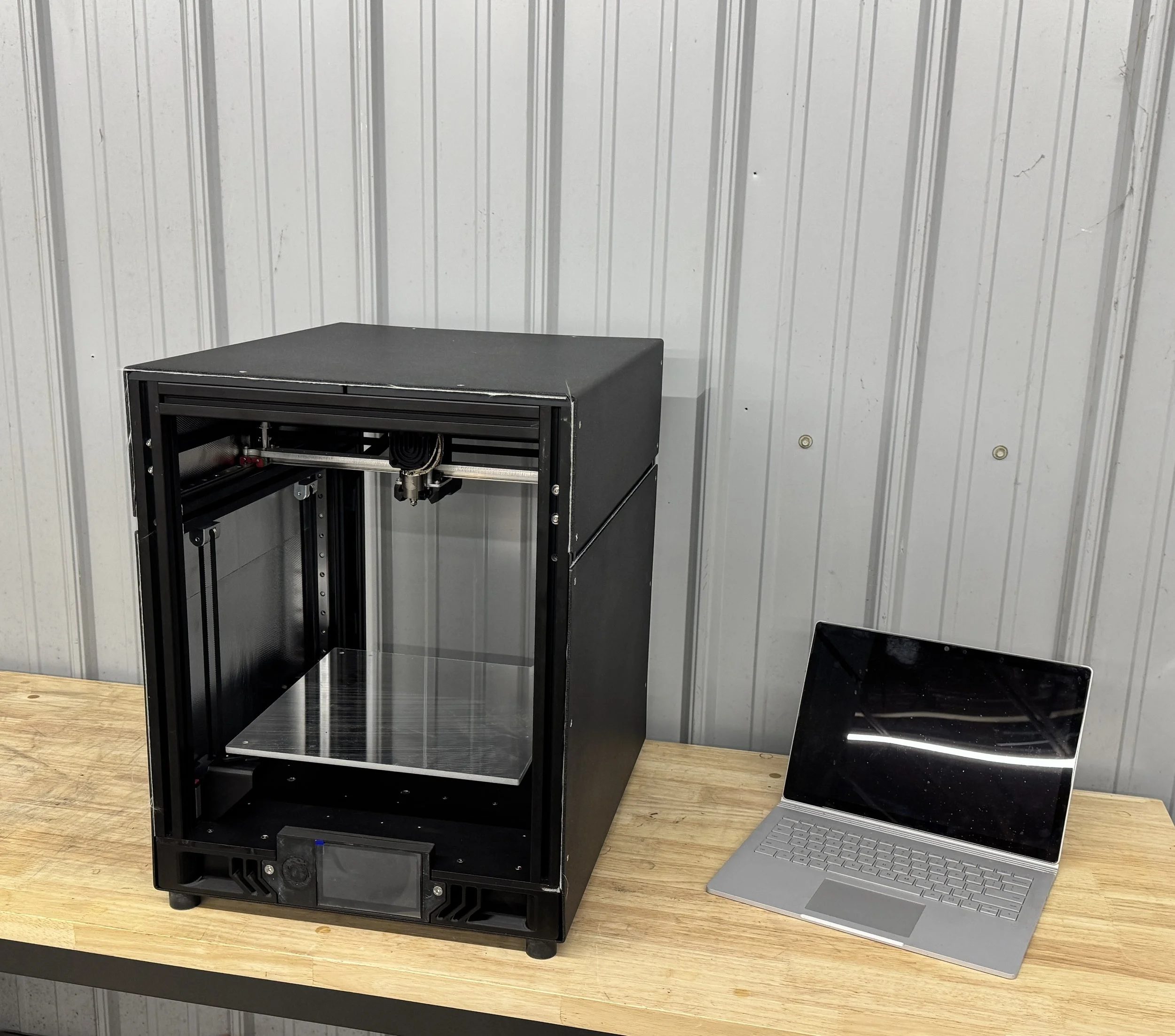
AMOS PRODUCTION HAS BEGUN
With infrastructure and operations already in place, Chicago Additive has begun production of the AMOS 300, with initial units scheduled to ship by the end of Q2 2025. Additional models, the AMOS 200 and AMOS 500, are slated for release in Q3 2025.
The AMOS line is redefining desktop additive manufacturing for the U.S. military and allied partners. These printers are engineered for high-quality output, ease of maintenance, and secure operation, making them ideal for industrial users, educational institutions, and print farms. Every unit can be configured to meet strict security requirements, ensuring data integrity with no information ever leaving the hardware.
Common Features Across the AMOS Line:
High-speed printing (250-500 mm/s)
Core-XY motion system with premium belts, pulleys, idlers, and linear rails
Fully enclosed, ruggedized enclosures for durability
Internal filament storage for material integrity
Advanced motion controller developed by UK partner
Integrated humidity control for optimal printing conditions
Optional active chamber heating for high-performance materials
Model-Specific Features:
AMOS 200
Build Volume: 200 × 200 × 120 mm (XYZ)
Optional transport case compatible with carry-on luggage
AMOS 300
Build Volume: 300 × 300 × 220 mm (XYZ)
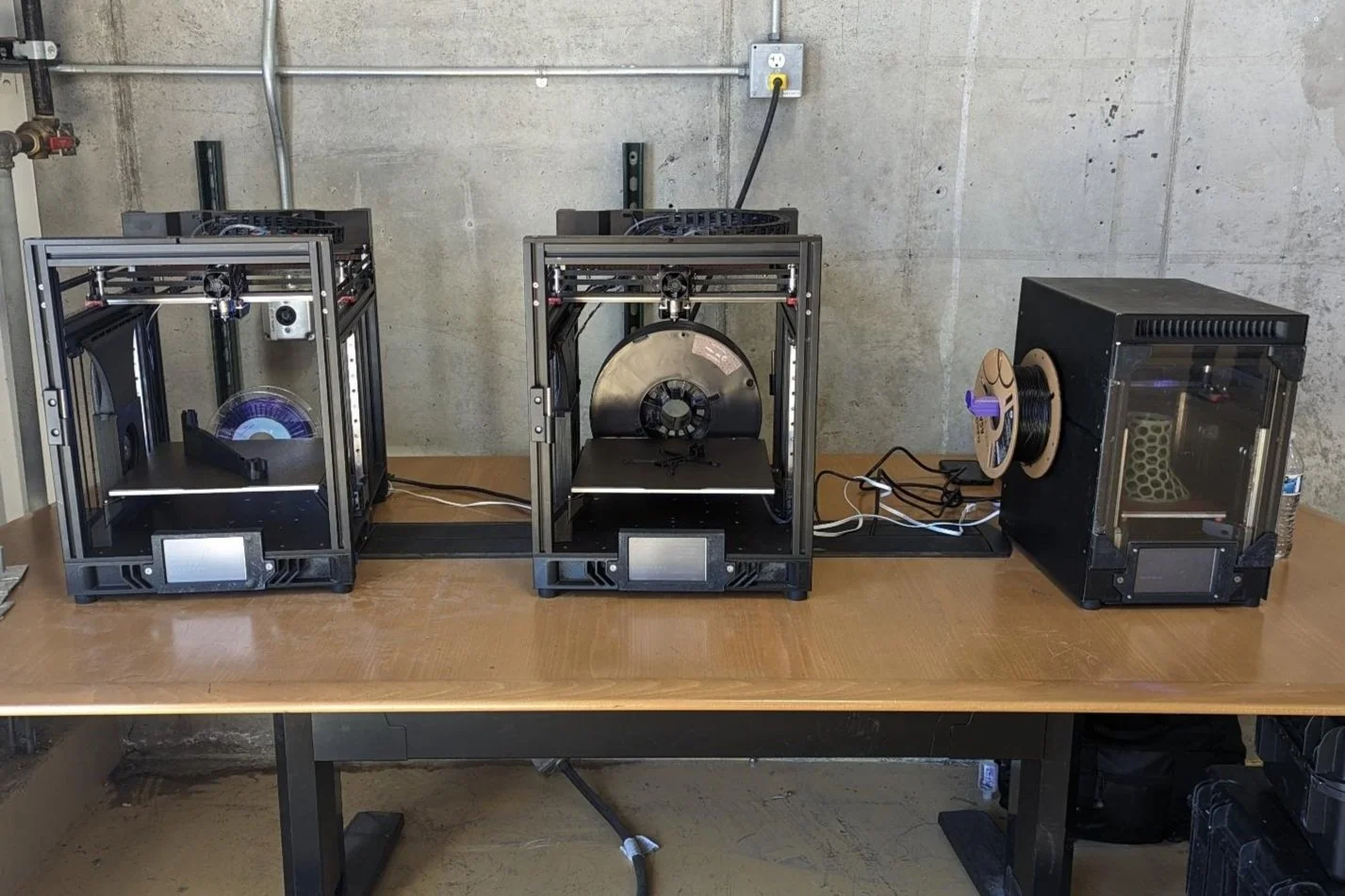
Rack-mountable: fits up to 3 printers per standard server rack (or 2 with battery backups)
Optional ruggedized case for travel and in-transit printing capabilities
AMOS 500
Build Volume: 500 × 500 × 420 mm (XYZ)
Optional mobility casters
Optional stand for added stability
Over the next two weeks, initial production units will be shipped to select testers for final validation of packaging, print profiles, and user experience. We will begin accepting orders during this period, with fulfillment beginning in the first week of June 2025. Regular updates will follow as we ramp up production and deployment.
We extend our sincere thanks to NIWC Pacific and the TechLink Center for their support and partnership throughout this process—it has been a privilege to work alongside such dedicated teams.
Quote From the Team
“After 19 months of collaboration with Spencer, we’re ready to put the AMOS into the hands of those who need it,” said Joseph Podogrski. “I want to thank everyone at NIWC Pacific who helped shape the AMOS into what it is today, as well as the tech transition team for making the licensing process as smooth as possible.”
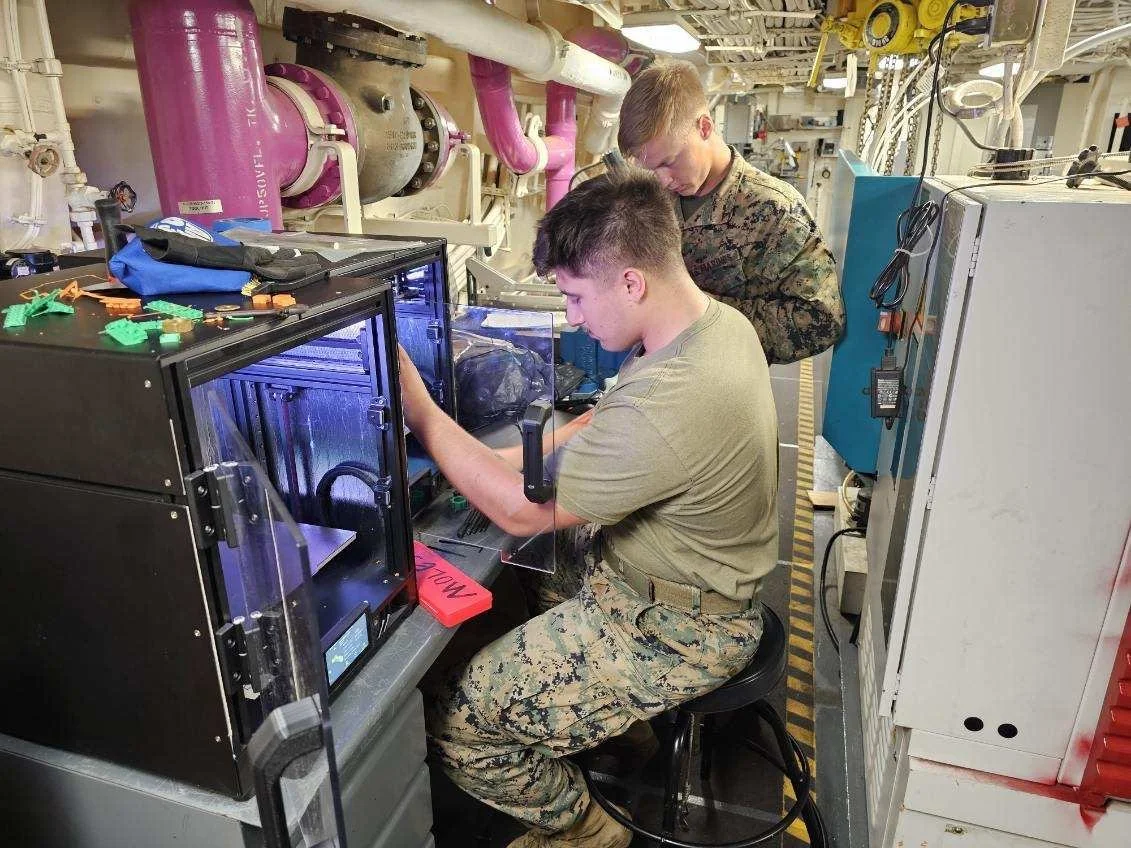
Chicago Additive built AMOS units deployed during the Navy’s RIMPAC exercise. Provide by NIWC Pacific
Please follow along with our update on our website or social media found here:
Website: https://www.chicagoadd.com/
Updates Page: https://www.chicagoadd.com/learn
X (Twitter): https://x.com/ChicagoAdditive
BlueSky: https://bsky.app/profile/chicagoadditive.bsky.social
About Chicago Additive
Founded in 2024, Chicago Additive was established to unite industry-leading experts in additive manufacturing to solve the sector’s most pressing challenges. Since our inception, we have operated behind the scenes, collaborating with OEMs and supporting institutions like NIWC Pacific through development and manufacturing services.
Our mission is to equip the military, education sector, and industry with robust, U.S.-designed and manufactured tools to meet tomorrow’s demands. Our team brings together world-class talent in design, mechanical, and electrical engineering, each member with over a decade of hands-on experience in additive manufacturing.
We operate two facilities in Demotte, located in Northwest Indiana, one of which is exclusively dedicated to the production of the AMOS line of 3D printers, with a current production capacity of 2,500 units per year.
Notes To Editors
Media assets can be found here: https://drive.google.com/drive/folders/178gzWJaIyxB40sRsmW0Q11iU5u9r3oki?usp=sharing
Or contact cateam@chicagoadd.com
Posts about the AMOS during development:
High Speed Benchy Test Print Video- https://www.linkedin.com/posts/spencer-koroly-86673282_3dprinting-advancedmanufacturing-activity-7260747129227288576-_ukr?utm_source=share&utm_medium=member_desktop&rcm=ACoAADe0ANkBuW2vC9oN1NRB2CKNG2MATk-mISg
Podcast discussing the AMOS and development- https://www.linkedin.com/posts/navwar_next-level-podcast-episode-3-activity-7260447590922559489-1khy?utm_source=share&utm_medium=member_desktop&rcm=ACoAADe0ANkBuW2vC9oN1NRB2CKNG2MATk-mISg
Articles about the AMOS throughout development and testing:
Marines demonstrate in-flight 3D printing aboard a U.S. Marine Corps aircraft. By Kety S https://3dadept.com/marines-demonstrate-in-flight-3d-printing-aboard-a-u-s-marine-corps-aircraft/
RIMPAC exercise tests bounds of 3D printing of crucial parts in real time. by WYATT OLSON (Chicago Additive build units deployed to Hawaii for the Rim of the Pacific exercise) https://www.stripes.com/theaters/asia_pacific/2024-07-05/rimpac-3-d-printing-navy-hawaii-14398425.html
For media inquiries, please contact our team at:

Equipping startups with the tools to take on Goliaths
Chicago Additive was founded in 2024, drawing on the expertise of a diverse team from the additive manufacturing sector. Our mission is to provide comprehensive hardware solutions, small batch production services, and consulting expertise tailored to meet the needs of small businesses, industrial clients, and governmental organizations.
Our consulting offerings include specialized services such as Additive Implementation and Hardware Design. In 2021, a valued member of our team, Joe, began a consulting engagement with a filament manufacturer transitioning into the hardware market. At the outset, this organization had already designed and sourced components for their inaugural commercial hardware release. Upon Joe's involvement, he focused on establishing a streamlined assembly line for rapid production. Within a month, we achieved a significant reduction in production time, decreasing the unit turnaround from weeks to mere days by implementing the appropriate equipment and assembly processes. Over the subsequent two months, Joe's expertise extended to refining design elements to align with “design for manufacturing” standards, thus enhancing overall production efficiency.
Following the completion of the initial project, Joe was invited to continue collaborating with the client, transitioning his role from production and design consulting to hardware design and implementation. The client had secured a contract to develop specific hardware solutions tailored to their own clients' needs. Joe leveraged his collaborative skills, working closely with the client's mechanical and electrical engineering teams to conceptualize a distinctive hardware platform, successfully completing the design in two months and the production in three weeks.
One of Joe's contributions was the design of a pioneering XY/Hybrid Motion System capable of accommodating up to three tool heads, enabling a versatile combination of standard filament and pellet extrusion. Following the hardware production phase, Joe shifted his focus to implementation, traveling to the client's location to oversee installation, setup, and staff training. Over the course of the next month, Joe played a crucial role in integrating the new hardware into the client's existing workflows.
Currently, Joe leads the Chicago Additive Consulting Team. Should you have any inquiries or require assistance, please do not hesitate to reach out to us. Our team is eager to support you in harnessing the power of additive manufacturing to enhance your production capabilities.